

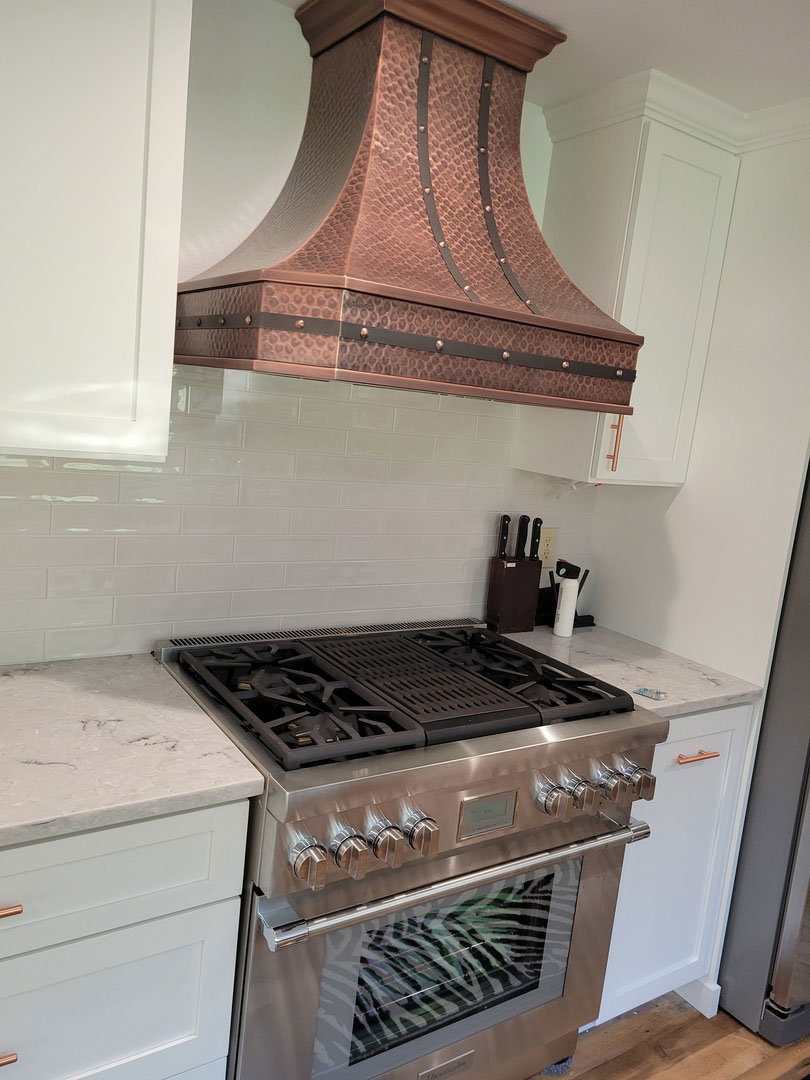
Hammered copper products use a textured metal surface to change the way light moves across a sink, hood, roof detail, or other piece. The texture can give the form depth and a visible rhythm. It should be chosen with the metal, finish, construction, and daily use rather than treated as proof of quality by itself.
Hammered Copper Sinks
A hammered sink can sit comfortably in a traditional kitchen, a simpler contemporary room, or a bathroom with natural materials. The bowl and apron may have different visual roles: one is a working surface, while the other becomes part of the cabinet elevation. Compare both before selecting the texture.
Browse sink designs by intended use, mounting, bowl layout, and dimensions. A decorative pattern does not establish the thickness, composition, or support behind the visible surface. Confirm those details on the selected model.
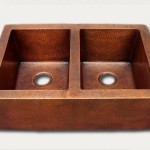
For a kitchen, consider the pans you wash and the room available for plumbing and accessories. A divided bowl can support separate tasks, while a single bowl provides uninterrupted space. Neither layout is universally better; choose it for the way the household works.
The advantages of copper?
Texture and Reflected Light
Hammering creates a pattern of small changes in the surface. Light breaks across those variations differently from a flat polished plane. A fine texture may read quietly from across the room, while a stronger pattern becomes a more visible part of the design.
View a sample close up and from normal room distance. On a large hood, the combined texture can read differently from a small sample. Compare it with the pattern in stone, tile, or wood so the surfaces support one another.
A Finish That Suits Daily Use
Unsealed copper can develop variation through exposure and use; an applied coating changes its behavior and cleaning requirements. Texture and patina are separate choices. A hammered surface can be supplied in different tones, and a smooth surface can also develop patina.
The Canadian Conservation Institute’s metal-care reference describes how copper can darken and react to contact. It provides context for surface behavior, while a working fixture needs the cleaning method approved for its exact finish.
Do not assume that patina repairs damage or that a hammered surface is scratch-proof. Dents, failed coatings, and deep scratches are different from ordinary color variation. Avoid abrasives, polishes, acids, waxes, and other treatments unless the manufacturer approves them for the selected surface.
Material Recovery
Copper can be recovered and recycled. The U.S. Energy Information Administration’s recycling explanation describes how using recovered materials can conserve resources and energy. Product-specific recycled content and environmental performance still need their own evidence; hammered texture does not establish either.
Choose a copper fixture for its form, material, and suitability. General antimicrobial findings should not become a promise that a finished sink prevents illness or replaces routine cleaning. Keep the care instructions with the product information.
Hammered Copper Roofs
A hammered roof surface can create visual texture while retaining the broader requirements of a metal roof assembly. Thickness, seams, fastening, flashing, support, exposure, and drainage all need to be coordinated. An attractive surface is not a substitute for those details.
Initial brightness and later weathering depend on the finish and conditions. Outdoor copper may darken and eventually develop green tones, but the timing is not universal. A coated roof surface requires its own maintenance plan rather than an assumption that every copper roof should age in the same way.
Compare the complete installed system when considering cost. Do not assume a fixed service life, guaranteed property-value increase, or lower labor cost merely because a material is copper or supplied in tiles. Access, details, forming, and installation conditions change the scope.
Compare Hammered and Smooth Surfaces
Choose by what the surface needs to do
Hammered
Creates a repeated texture and broken reflections; compare pattern scale and how the finish reads on the whole form.
Smooth
Emphasizes the profile and larger reflections; assess the supplied finish and visible surface expectations.
For either surface
Confirm composition, thickness, construction, coating, approved cleaning, and the intended application.
Use finish samples to compare the texture with nearby materials. If a hood will carry the pattern, review the current range hood collection and choose the profile before refining straps, crown, or apron details.
Frequently Asked Questions
Does hammered texture make copper thicker?
No. Texture describes the surface. Request the actual thickness and the relevant construction details separately.
Does a hammered sink need polishing?
That depends on the finish. A living finish is usually chosen for its changing appearance, while a coating has its own care requirements. Follow the selected product’s instructions.
Can hammered copper work in a modern room?
Yes. A restrained form and limited palette can let texture provide interest without requiring traditional ornament.
Plan the details for your space
Bring the intended use, preferred form, and surrounding finishes so texture can be selected as part of the complete piece.
Start your projectOriginally published October 25, 2014. Updated October 30, 2026.

 By submitting, you agree to our Privacy Policy & Terms