

Grey kitchen cabinets depend on more than shade: undertone, door profile, sheen and nearby materials all shape the result. Use these ideas to compare traditional and modern approaches, then test cabinet and metal samples together in your own light.
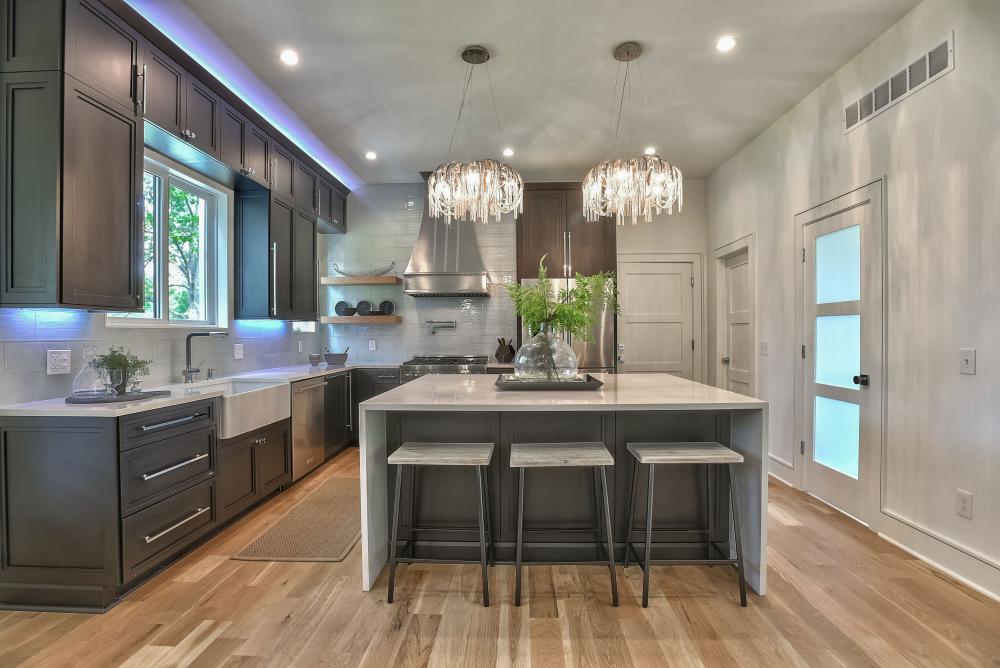
Try Traditional Shaker Style
Resolve the grey cabinet palette
Shade
Check whether the grey reads blue, green, violet or warm beige beside the worktop.
Surface
Compare sheen, fingerprints and reflected light on the actual door finish.
Metal detail
Review sink apron, rail and hardware together, then confirm the cabinet opening and support.
Grey Shaker cabinets offer a framed profile that can work with simple or more detailed surroundings. The finish and hardware determine whether the result reads rustic, traditional or contemporary.
The Shaker style is known for restrained proportions and practical detailing. In cabinetry, the familiar framed door with a flat center panel provides a useful starting point for comparing gray finishes.
A typical Shaker cabinet door has a frame surrounding a flat recessed panel. Rail width, construction and finish vary, so compare the actual door rather than relying on the style name alone.
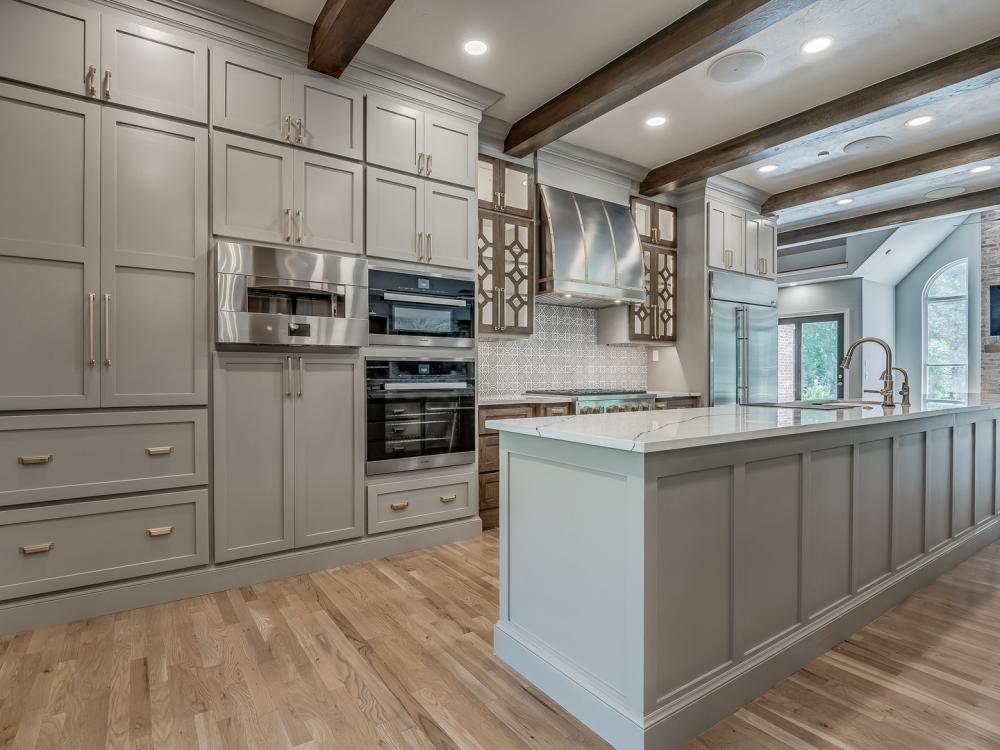
Go Hypermodern With A Gloss Finish
Gloss grey cabinets reflect light differently from matte finishes and can produce pronounced highlights. They do not guarantee that a dark kitchen will feel bright. Review a full door sample under daylight and task lighting, paying attention to glare and fingerprints.
A quick wipe-over with a microfiber cloth may suit routine cleaning, but use the cabinetmaker’s approved cloth, cleaner and moisture limits. Gloss and matte finishes can both show marks; ease of care depends on the coating, not sheen alone.
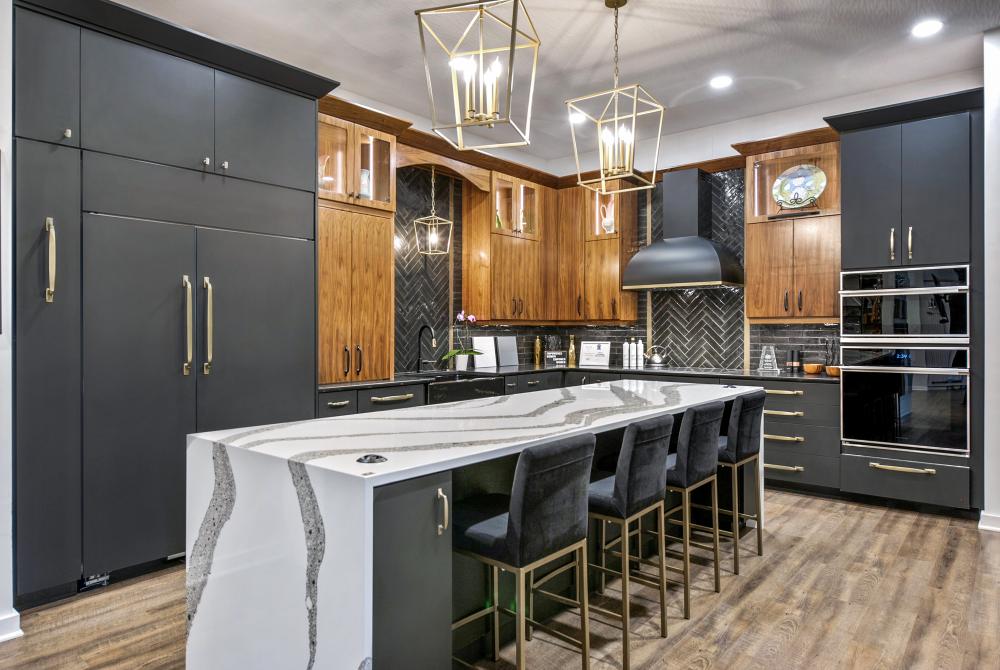
Add Drama With The Darkest Of Grey Cabinets
Very dark grey cabinets create a strong backdrop. Decide how much of the room should carry that depth before applying it to both the perimeter and the island.
To achieve a successful look with dark grey cabinets you will need to also get the other factors of your kitchen design spot on. Otherwise, you can end up with a space that is too dark, and in some cases can become oppressive.
Pale walls and reflective details can redistribute available light, but they do not replace it. Plan task lighting at the worktops and assess dark cabinets in the room before final selection.
A beautiful hammered copper or brass table with a polished finish? can add reflective highlights and a warmer material against grey. It is furniture, not a lighting solution. Confirm the chosen metal and finish’s care requirements, and review the top, base and seating clearances together.
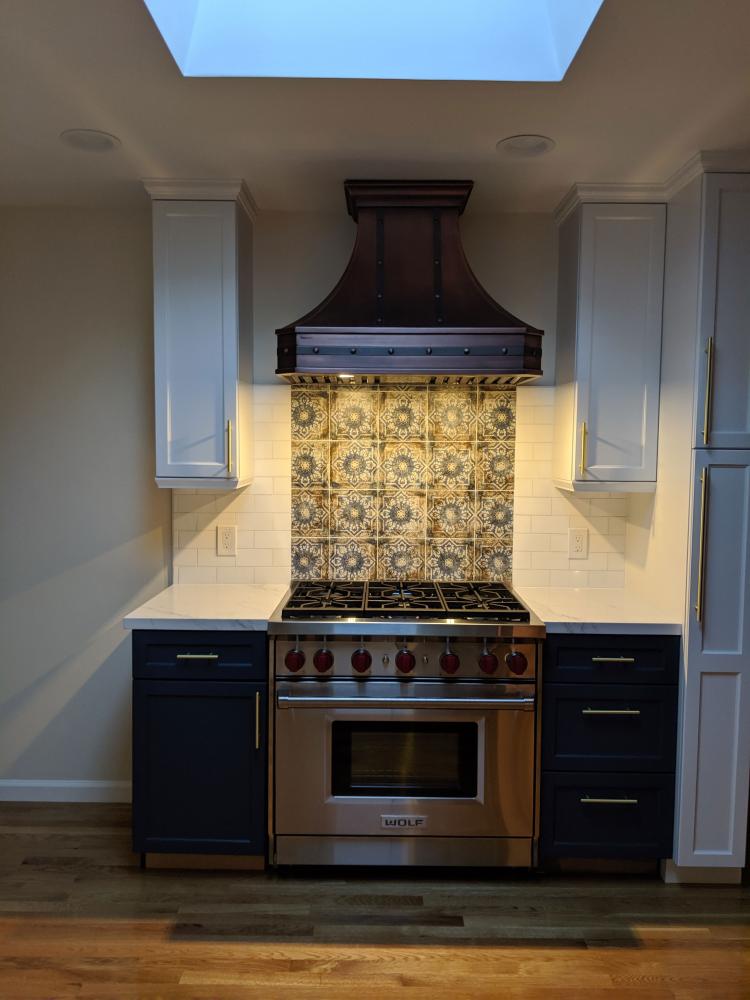
Create A Bright Space With Light Grey Cabinets
On the opposite side of the colour spectrum to dark grey cabinets, are kitchen cabinets in a light grey. The good news is there are many of these cabinets available in most styles from modern to rustic, matt to gloss.
Light grey can create less contrast with pale walls and countertops than a charcoal finish. Its appearance still depends on daylight, artificial lighting and undertone; it does not enlarge the floor area or solve a poorly lit work zone.
Compliment Grey Cabinets With Stainless Steel Accessories
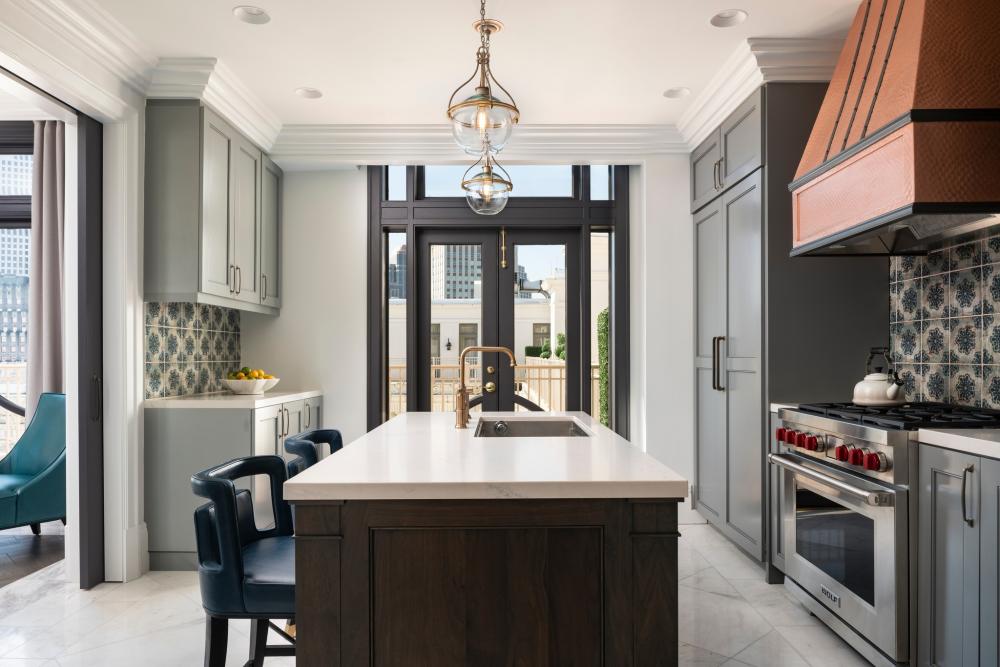
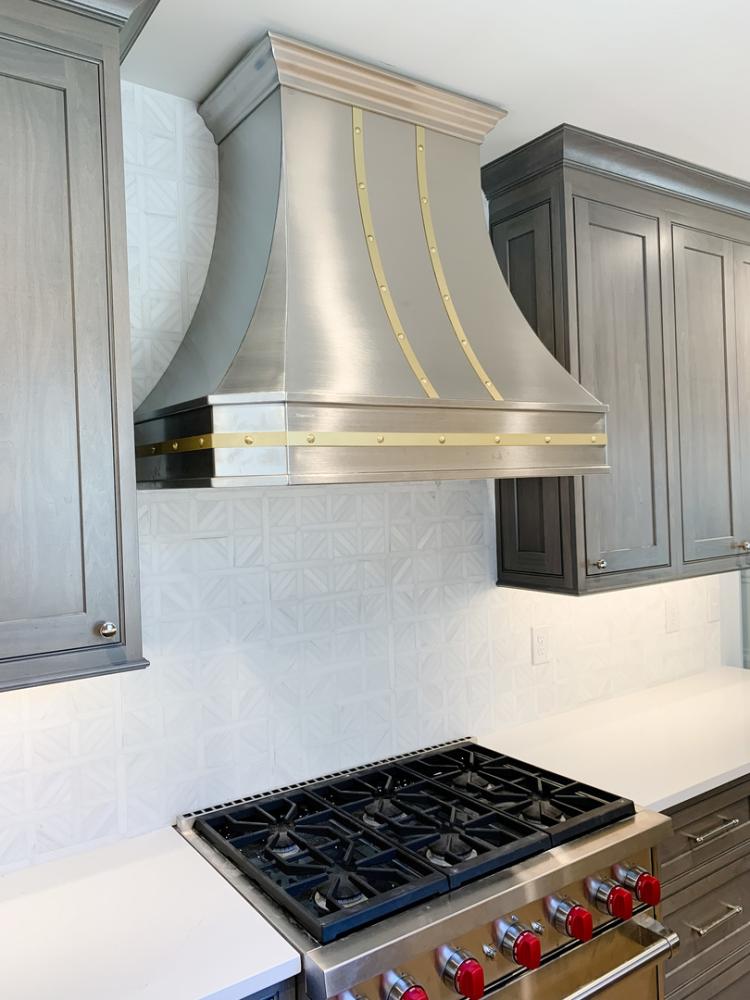
Stainless steel can complement grey cabinetry through a related cool tone. Compare the actual brushed or polished finish with the cabinet sample, since grey paints may lean blue, green or warm beige.
A stainless sink can introduce a separate texture or highlight beside grey cabinets. Its reflection will differ from a painted gloss door, so matching sheen should not be assumed.
In particular, a modern stainless steel sink can add a touch of contrast and an industrial style to a kitchen with a more traditional cabinet design. Although, this second option will need to be carefully balanced to avoid the sink looking out of place.
Embrace Contrast For Maximum Effect
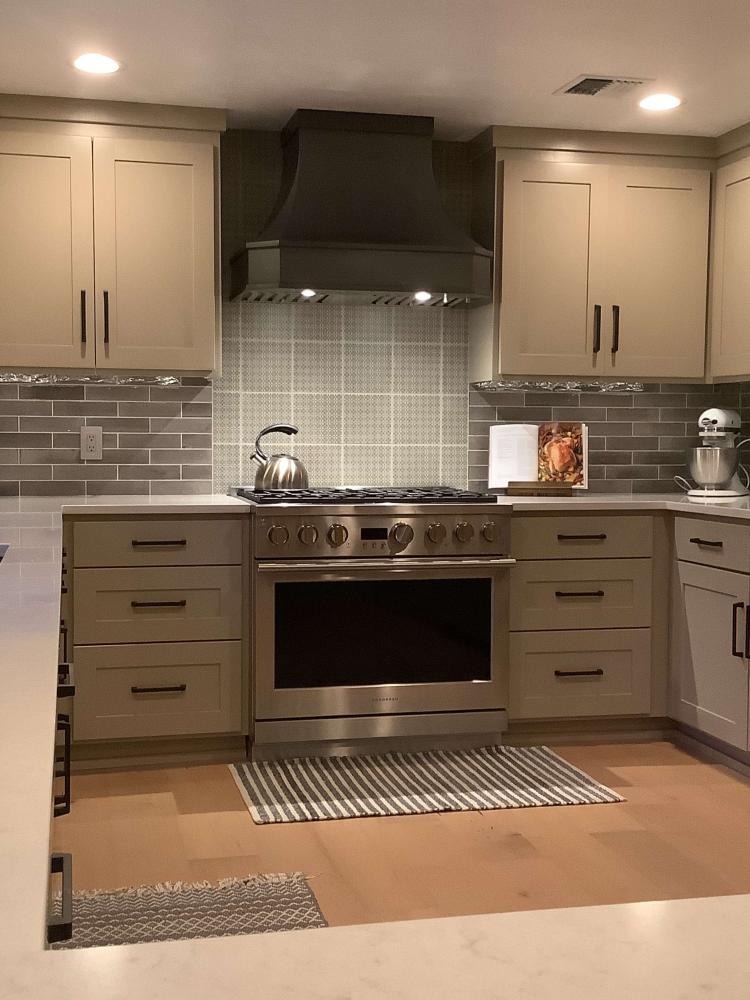
You can also achieve some great effects by using contrast with your grey kitchen cabinets. Indeed, there are several ways of doing this. The first is to use two different contrasting greys on the cabinets and other fixtures around your kitchen. For example, you could use a lighter grey on your wall cabinets and a dark grey for your breakfast bar or kitchen island, a design that will help the latter stand out as more of a focal point while the former blends more into the background.
Another way to use contrast in your grey kitchen cabinet design is to choose a wall colour that makes the grey of your cabinets pop. That means instead of opting for the traditional white walls, you choose something with a little more impact. For darker grey cabinets walls painted in mustards, teals, and even burnt oranges can work very well. Although for cabinets with a lighter shade pale blues, pale greens, and as well as peach and lemon can work particularly well.
Last of all, if an entire wall in a contrasting colour is a little too much for your design sensibilities, why not add contrast to your tiling splashbacks? Traditionally fixed to the walls behind the sink and hob, splashbacks are designed to protect the wall and paintwork from staining when cooking and washing.
A glass-tile backsplash can add color and reflection beside grey cabinetry. Confirm that the tile, adhesive, substrate and installation are suitable for the planned heat and moisture exposure.
If you are having trouble imagining all these types of contrasting designs you can check out this grey kitchen cabinet gallery online, which is an excellent visual resource for your design process.
Add An Accent Of Copper
Copper’s warmer tone creates a visible contrast with grey cabinets. The result depends on whether the grey is warm or cool and whether the copper is bright, aged or otherwise finished.
To achieve this super stylish look in your own home, you must think carefully about not only the shade of grey you will choose for your cabinets, and whether they will be glossy, matt, traditional, or modern. You will also need to consider which accessories to choose in copper.
The linked 3-D configurator on worldcoppersmith.com opens the Farmhouse DT double-bowl sink, which includes an integrated front towel bar. Review that rail and the apron together against the grey cabinet sample. Confirm the bowl layout, cabinet support and countertop cutout from the approved project drawing before fabrication.
Smaller copper accents can also establish the relationship through lighting, faucets or hardware. Verify the actual material and finish; a copper-colored coating will not necessarily age like natural copper.
Combine With Wood
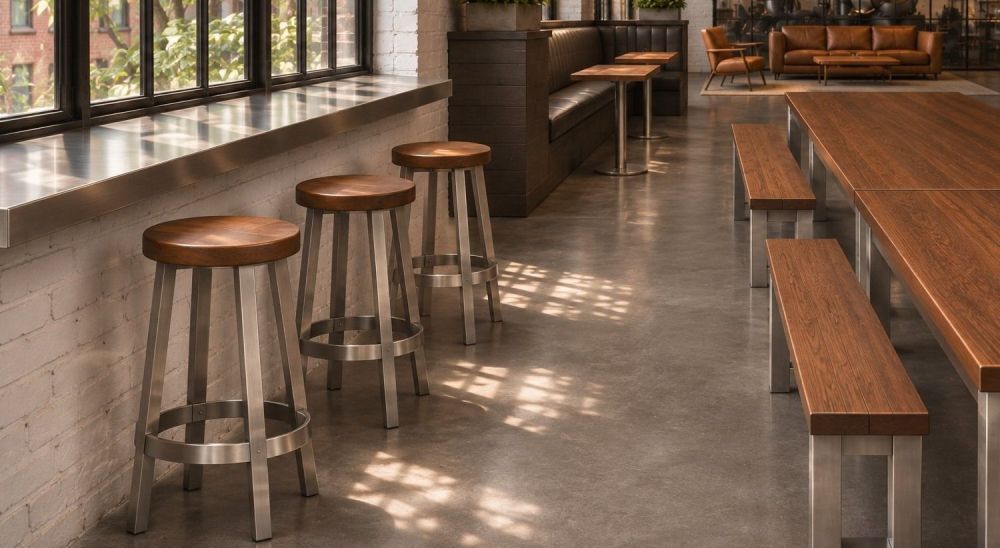
Combining grey kitchen cabinets with wooden accents such as shelving and tables can also create an effective and welcoming kitchen space. Indeed, depending on the type of wood and cabinet you choose you can create a range of effects.
Light wood shelving can contrast with medium grey cabinets, while a substantial wood table can give a more rustic direction. Specify a finish appropriate to kitchen use and allow for regular cleaning of exposed shelves, where grease and dust can collect.
Mix With Pastel Geometrics
Pastel geometry offers another way to introduce color beside grey cabinets. Use painted triangles, circles, squares, and rectangles as inspiration, then repeat only a few shapes or colors so the pattern relates to the rest of the room.
Plan geometric paint areas on a sample board first. Protect cabinetry with suitable coverings and use masking products compatible with the existing finish; test removal before applying them widely. Straight edges are generally easier to lay out than curves.
Compare pastel colors with the cabinet’s undertone. A blue accent may relate to a blue-grey door, but check the combination under the intended lighting rather than assuming that similar color names will match.
Accentuate Grey Cabinets With Brass
Brass can add a warm accent to plain matte grey cabinets. Hardware or a narrow decorative detail may be enough; confirm how the finish will age and how it should be cleaned.
For a sink accent, explore the linked collection’s polished brass sink, then confirm that the selected apron and bowl finishes are available for the intended use. Coordinate the cabinet opening, countertop and faucet as well as the surrounding brass hardware.
Final Thoughts
Grey cabinets are an excellent choice for a range of kitchen styles from rustic to modern and sleek. They can also be easily customised to the specific needs of your household and your personal taste by using tactics like contrasting with other colours or adding accents in copper, brass, wood, or stainless steel.
For the Farmhouse DT sink, the visible apron and front towel rail form one composition. Bowl finishes have different compatibility requirements from decorative apron finishes. Review both on the order and use the approved drawing for the countertop and cabinet work.
Originally published July 25, 2024.

 By submitting, you agree to our Privacy Policy & Terms