

Bathroom remodeling statistics are useful only when the project type, year and population are clear. Whole-home spending, bathroom budgets and design surveys answer different questions. Use them to frame a room-specific plan, including how metal fixtures fit the vanity, bathing area and service requirements.
Three numbers are not one market
- 01
Total residential spending
2024 estimate: $603 billion in U.S. improvements and repairs, covering owner-occupied and rental homes.
- 02
A bathroom budget
A room-specific estimate needs scope, location, fixtures, labor and contingency. It cannot be read from the national total.
- 03
Remodeler activity
In NAHB’s Q4 2025 survey, 73% of respondents rated bathroom remodeling common or very common for their company. This is not the share of households remodeling.
Renovating bathrooms is a transforming process that improves both homes and lifestyles. As a key segment in the booming home improvement sector, bathroom remodels represent a multi-billion-dollar market.
From consumer trends to new technologies, knowing the dynamics of this market — from consumer trends to developing technologies — is essential for homeowners trying to improve their living environments, contractors trying to stay ahead of the curve, and companies wishing to enter this profitable industry.
The figures below distinguish the wider remodeling economy from bathroom-specific choices. Read each statistic with its year, geography and definition; a whole-home spending total is not a bathroom-market estimate.
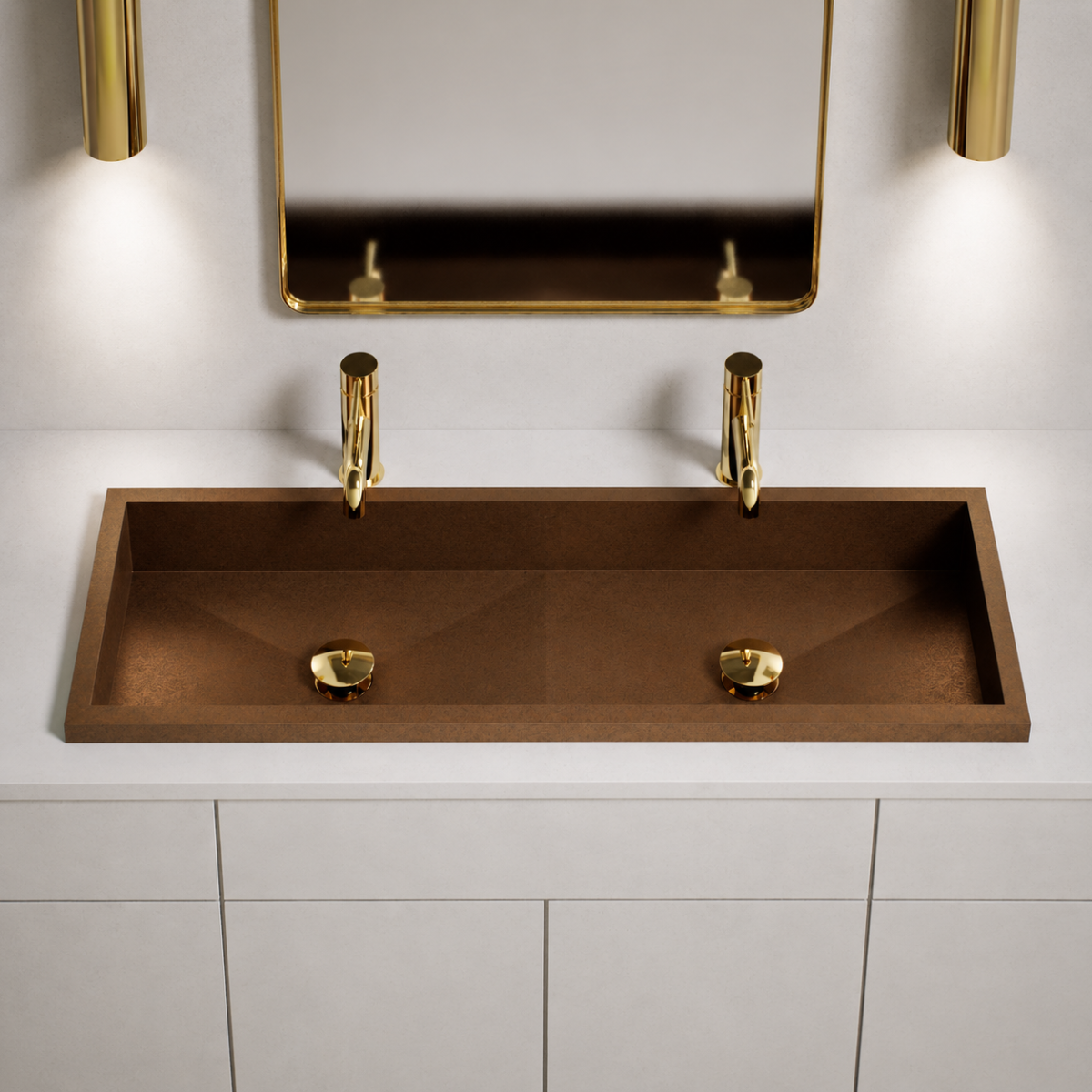
A specific fixture decision can change several parts of a bathroom budget. The Bathroom DV2 drop-in vanity sink has a rim that meets the counter surface. Coordinate the countertop opening, support, faucet arrangement and cabinet access before purchasing surrounding finishes. A product image does not establish the room’s final installation cost.
Market Overview
Bathroom remodeling sits within the broader home-improvement economy. There is no verified bathroom-only basis here for a $68 billion U.S. market figure, so it should not be used to size a business opportunity or a household budget.
Harvard’s Joint Center for Housing Studies estimated U.S. residential improvement and repair spending at $603 billion for 2024 in its 2025 housing report. This covers owner-occupied and rental housing, not bathrooms alone.
Bathroom work contributes to home improvements, but the wider total cannot establish the size or growth rate of the bathroom segment. Compare like-for-like categories before drawing a trend.
Driving Factors Behind This Explosion
Bathroom projects respond to worn finishes, changing household needs and preferences for comfort. Pandemic-era changes in how homes were used are historical context, not proof that demand must continue rising.
For many, the need to design visually beautiful, practical, and comfortable bathrooms takes center stage. With an eye on water-saving fixtures and energy-efficient solutions, the growing awareness of sustainable and environmentally friendly living is also impacting bathroom design decisions.
Accessibility can motivate changes for people with different mobility needs. Resale considerations may also influence a project, but a remodel does not guarantee a particular increase in property value.
Managing Industry Challenges
The bathroom renovation industry is booming, but it is not without its challenges. Rising material and labor prices in the sector are causing problems for project budgets. For some supplies and fixtures, supply chain interruptions have also resulted in delays and higher expenses.
Demand and costs vary by region and project type. Use current local quotations and realistic schedules when assessing feasibility.
Trends That Are Redefining Bathroom Spaces
Bathroom design brings together aesthetics, technology and practical use. The themes below are design considerations, not a claim that every feature is widely adopted.
Popular Trends
Recent design discussion emphasizes comfort, storage and a more personal bathroom. Evaluate each idea against the room’s size and the household’s needs.
Natural Aesthetics
Homeowners find themselves increasingly drawn to bathroom features with natural inspiration. Calm and renewing environments are being created with earthy tones, natural materials like stone and wood, and biophilic designs with plants and natural light.
Smart Bathrooms
With touchless faucets, voice-activated mirrors, and temperature-regulated showers adding more convenience and hygiene, technology is transforming bathrooms. Additionally becoming more and more common are smart toilets with self-cleaning systems and heated seats.
Spa-Like Retreats
Open-concept layouts, freestanding tubs, walk-in showers, and minimalist storage options are turning bathrooms into opulent spa-like sanctuaries that promote relaxation and well-being.
Accessibility Matters
Grab bars, suitably planned entrances, bathing access and slip-resistant surfaces can support accessibility. Design them around the user and applicable requirements; no single product makes a bathroom safe for everyone.
These trends create a vision of a bathroom reflecting personal style, values, and goals. Technology, nature, and design come together here to create a location that supports well-being, comfort, and a feeling of connectedness to the world around us.
Technological Advancements
Living rooms and bedrooms aren’t the only places you can find technology these days. It’s being used to revolutionize bathrooms into centers of efficiency and creativity.
Smart Fixtures
Bathroom tech innovation is headed toward smart toilets, showers, and mirrors. These fittings include features such as water conservation, customized settings, and even health monitoring capabilities.
Greater Efficiency
Water-efficient fixtures and suitable lighting can reduce consumption compared with less efficient alternatives. Savings depend on the actual products, use and utility rates.
Enhanced Comfort
Advanced lighting and ventilation solutions are producing more pleasant and healthier bathroom surroundings. Among the many ways technology is improving the bathroom experience are dimmable lighting, motion-sensor exhaust fans, and heated flooring.
Technology’s inclusion in restrooms is changing our interactions with these areas. Modern tech is improving every element of the bathroom experience, from energy-efficient solutions that lower our environmental impact to smart fixtures that anticipate our needs.
Sustainability
Sustainability can shape bathroom decisions through water use, material sourcing, repairability and service life. Assess those factors for the actual project.
Eco-Friendly Materials
Using recycled and environmentally friendly products is becoming more and more important. Popular alternatives for homes looking for environmentally friendly bathroom solutions are bamboo flooring, reclaimed wood accents, and recycled glass counters.
Water and Energy Conservation
Water- and energy-efficient fixtures may reduce operating costs. Compare purchase price, installation requirements, maintenance and expected use before estimating payback.
Natural Elements
Natural light may reduce daytime lighting needs. Ventilation still needs to meet the bathroom’s moisture-control requirements; an open window is not automatically a substitute for the designed exhaust system.
Use design trends as prompts for decisions about comfort, maintenance and resource use. A fashionable material is not automatically suitable for wet areas or environmentally preferable.
Consumer Behavior: Who’s Remodeling and Why?
Understanding the dynamics of the bathroom remodeling industry requires a look into customer behavior. There are several components that all play a role in the reasons for modern-day bathroom remodels.
Demographics
Age Matters
Households at different life stages remodel for different reasons, including family needs, maintenance and accessibility. Age alone does not establish who is most likely to remodel a bathroom.
Older homeowners may prioritize accessible circulation and bathing, but accessibility can matter at any age. Spending also depends on income, project scope and the existing room.
Income Levels
Household resources influence the scope of work. The $24,000 median reported in the 2024 U.S. Houzz and Home Study concerns 2023 home renovation spending overall; it should not be presented as a bathroom-only budget.
Geographic Distribution
Bathroom projects occur in urban, suburban and rural locations. Local housing conditions, trades availability and household budgets matter more to a specific project than an unsupported national concentration claim.
Purchasing Behavior
Decision-Making Factors
Several factors influence consumer decision-making in bathroom remodeling. Crucially important are budget restrictions, preferred style and aesthetics, and utility needs. Many times, homeowners try to strike a balance between these elements to produce a bathroom that fits their needs and captures their own style.
Average Budget
A bathroom budget depends on room size, scope, location and whether plumbing or layout changes. Do not compare a bathroom-specific figure with an overall home-renovation median to claim a $9,000 rise in bathroom costs.
Professional vs. Do-It-Yourself
Although some homeowners choose to save money by doing the work themselves, most still want to hire professional contractors for bathroom renovations and remodels.
This inclination results from the complex nature of such projects, the demand for a premium finish, and the necessity of plumbing, electrical work, and tile installation experience.
The National Association of Realtors’ 2022 Remodeling Impact Report offers historical context about homeowner motivations and remodeling outcomes. Its findings need the relevant project category and survey population to be useful.
Worn surfaces, improved function and a desire for change are distinct reasons to remodel. Do not apply percentages from a general remodeling survey to bathrooms without confirming that the questions and respondents concern bathroom projects.
Patterns in Online Shopping
Research and inspiration
The internet plays an integral part in the bathroom remodeling process. Before deciding anything, homeowners spend a lot of time researching concepts, products, and design trends online. There is plenty of information and inspiration available on sites like Pinterest, Houzz, and Instagram.
Purchasing Power
Online buying has also been somewhat common for bathroom fixtures and supplies. E-commerce sites simplify homeowners’ search for the ideal products for their projects by providing a large range of goods, reasonable prices, and quick delivery choices.
Finding Professionals
Connecting homeowners with designers and contractors is done more and more via internet marketplaces and websites. These platforms let homeowners choose specialists for their bathroom remodels by means of evaluations, ratings, and portfolios, thereby guiding their selections.
Professionals and businesses in the bathroom remodeling market rely on an understanding of customer behavior. Businesses can customize their products, services, and marketing plans to fit the changing requirements and expectations of homeowners by staying current with demographic trends, buying behavior, and online purchasing practices.
Market Growth
Bathroom demand depends on household finances, building conditions and changing needs. Growth scenarios should remain separate from recorded spending.
Future Projections of Growth
A forecast must identify its publication date, coverage and assumptions. A 2024 whole-home spending forecast cannot serve as a current bathroom-only projection. Consider the following possible demand drivers without treating them as guaranteed growth:
Rising Homeownership Rates
Home purchases can prompt renovations, but homeownership rates do not always rise and a transaction does not necessarily produce a bathroom project. Check the relevant local housing indicators.
Aging Housing Stock
The US aging housing stock calls for renovations and improvements, with bathrooms a top priority for homeowners trying to remodel their living areas.
Technological Advancements
The ongoing creation of creative bathroom commodities and technology like smart fixtures and energy-efficient solutions is likely going to draw in more households to start renovation projects.
Shifting Consumer Preferences
Demand for bathroom renovations to suit evolving preferences is projected to be driven by growing attention to wellness, sustainability, and personalized design.
Emerging Markets
Along with the general increase in the market, several sectors are showing great potential for development.
Accessible Bathroom Designs
The demand for easily accessible bathrooms among the older population is driving a rising market for renovations, with safety and simplicity of use top priority. Larger doors, grab bars, and walk-in showers are just a few of the increasingly sought-after elements.
Luxury Bathroom Market
High-end bathroom designs with premium materials, spa-like elements, and modern technologies are in great demand. This is especially evident among wealthy homeowners looking to design opulent getaways right within their own homes.
Green Remodeling
Growing knowledge of environmental sustainability is driving demand for environmentally friendly bathroom renovation ideas. Increasingly, we discover homeowners looking for materials, fittings, and designs that help minimize environmental impact.
For companies and specialists in the bathroom remodeling sector, these developing markets offer great possibilities. Businesses that meet these particular demands and preferences will be able to attract new clientele and drive more expansion.
Competitive Landscape
With many businesses fighting for market share, the bathroom remodeling business is a dynamic and competitive one. Businesses hoping to thrive in this expanding industry must first understand the major players and their strategies.
Key Players
Home Improvement Retailers
The Home Depot and Lowe’s sell home-improvement products, while Harbor Freight is a tools and equipment retailer. They serve different purchasing needs; this list does not establish bathroom-market shares or dominance.
Bathroom Fixture Manufacturers
Kohler, Moen and Delta are examples of established fixture brands with different product ranges. Compare the particular faucet, sink, toilet or shower product rather than assuming each brand supplies every category.
Contractors and Design Firms
Both local and regional contractors and design firms play a crucial role in the bathroom remodeling process by providing expertise in project management, design, and installation.
They’re an appealing choice because they offer individualized services and frequently develop strong relationships with homeowners.
Online Platforms and Marketplaces
E-commerce sites like Amazon and Wayfair, as well as specialist online markets like Build.com, have upended the sector by providing a large range of bathroom items and easy online buying experiences.
Market Strategies
Key players use several market tactics to stay ahead in this competitive arena. Consider the following:
Product Innovation and Differentiation
Companies continuously work to launch new and creative products that set them apart from their competitors. This covers original designs, sustainable materials, and smart technologies.
Pricing Strategies
If businesses hope to attract consumers, they must offer competitive pricing. To help bathroom remodeling stay more reasonably priced, manufacturers and retailers sometimes provide options for financing, as well as discounts and promotions.
Marketing and Branding Initiatives
Initiatives in marketing and branding must first establish strong customer loyalty and brand recognition. To highlight their goods and services and reach their target market, businesses invest in social media marketing, advertising, and influencer relationships.
Entering specialized markets — such as premium designs or easily available bathrooms — may provide new streams of revenue and serve certain customer segments.
Opportunities for Growth
Despite the competition, the industry of bathroom renovation and remodeling has lots of opportunities for companies to get ahead and thrive.
Businesses can create a competitive advantage by concentrating on specialized markets, implementing sustainable practices, harnessing technology, and building strategic alliances.
Niche Markets
Catering to certain demands and preferences, including luxury designs for high-end customers or accessible restrooms for the elderly and disabled, can draw a devoted clientele and command a premium price.
Sustainability
Adopting sustainable practices, from utilizing eco-friendly materials to providing water-saving solutions, would appeal to consumers who care about the environment while helping companies stand out from competitors.
Technology
Using tools like virtual reality bathroom design or online project management platforms to improve the customer experience would help expedite the remodeling process and draw in homeowners looking for the cutting edge.
Strategic Partnerships
Strategic alliances with other companies in the industry — such as manufacturers, designers, or contractors — can increase reach, provide combined services, and provide an all-encompassing customer experience.
The bathroom remodeling market is ripe with opportunities for businesses that are willing to innovate, adapt, and cater to the ever-changing needs and preferences of homeowners.
Businesses can better negotiate the competitive terrain and succeed in this expanding industry by staying informed about customer behavior, market trends, and successful methods.
Case Studies
DaBella, Re-Bath and Bathfitter illustrate branded remodeling or bath-service approaches alongside local contractors. They are named examples, not independently verified case studies or a consumer satisfaction ranking.
A coordinated design, supply and installation service may simplify a project. Evaluate the local provider’s actual scope, responsibilities and written terms before drawing conclusions about outcomes.
Some innovative businesses and bathroom fitting suppliers are also embracing augmented reality (AR) and virtual reality (VR) to let clients see their ideal bathrooms before making a commitment to remodeling.
Product recommendations and maintenance services are possible business models. Their presence or effectiveness should be verified for the specific provider rather than treated as evidence of industry-wide success.
Conclusion
Aging housing, maintenance and changing household needs give bathroom projects a practical role in home improvement. Profitability and demand still vary with costs, location and execution.
Current trends are being shaped by sustainability, technology, and accessibility, which presents opportunities for companies that welcome creativity and meet changing customer expectations.
Homeowners can use market research to frame questions, then rely on a room-specific plan and local quotations. Contractors and suppliers should use clearly defined, dated data instead of presenting whole-home totals as bathroom revenue.
Evidence behind these decisions
Harvard JCHS, Improving America’s Housing 2025 provides the wider residential improvement-and-repair spending context.
NAHB’s February 2026 report on 2025 remodeling projects reports that 73% of surveyed remodelers rated bathroom work common or very common for their company; it does not measure household adoption or national spending.
Start your projectOriginally published November 22, 2024. Updated August 9, 2025.

 By submitting, you agree to our Privacy Policy & Terms