

Cookware changed as people learned to control heat
The history of cookware is a history of materials, fuel and daily routines. Vessels made it possible to hold liquid, simmer ingredients, fry food and move a meal between the fire and the table. Different regions developed their own forms, and older materials continued in use alongside newer ones.
There is no single sequence in which one invention immediately replaced everything before it. Clay, copper, iron and later composite constructions answered different needs. Their history helps explain why a modern kitchen still benefits from more than one kind of pan.
What counts as cookware?
The term cookware covers vessels used for cooking, including saucepans, frying pans, stockpots and related forms. Bakeware describes vessels used in the oven, though the categories overlap. A casserole pot, for example, may be suitable for more than one heat source when its instructions permit.
A kitchen's collection of tools and vessels is sometimes described as its batterie de cuisine. The useful question is what each piece enables: boiling, reducing, browning, steaming, baking or serving. Shape and material developed around those tasks.
At a glance
Cookware evolved through different needs
Contain
Clay and other vessels made liquid cooking possible.
Shape
Metalworking expanded forms, handles and repair methods.
Control
Stoves and new fuels changed how heat reached the vessel.
Combine
Layered pans brought different material properties together.
Before a metal pan: containing water and heat
Early cooks used different ways to bring food, water and heat together. Consider the Fork: A History of How We Cook and Eat explores the ingenuity of cooking tools, including flexible containers and other methods that preceded modern pots. Foods such as haggis retain a reminder that a cooking container need not always be rigid metal or ceramic.
hot stone cookery transfers heat from heated stones into water or food. ceramic pottery created another durable way to contain liquids and cook repeatedly. The dates and methods varied between regions; it is misleading to assign one universal invention date to all early cooking vessels.
Research associated with the period 1200-1500 B.C. examines particular practices in the Americas. nixtamalization illustrates how the treatment of maize involves both technique and the chemistry of the ingredients and process. It should not be reduced to a claim that any boiling method makes every plant safe to eat.
A reconstructed ancient recipe offers a way to explore ancient food traditions. Archaeological recipes and modern reconstructions have different levels of certainty, so neither should be presented as an uncontested first menu without supporting evidence.
Metal vessels expanded the range of forms
Metalworking made it possible to shape vessels with different wall thicknesses, rims, handles and joining methods. Copper and copper alloys could be worked into useful forms; iron offered another set of properties. Availability, cost and local skills affected who could obtain and maintain them.
Ancient cooking vessels included cauldrons, pans, strainers and other forms. The linguistic and culinary history associated with paella is one example of how names and techniques travel. It does not establish that every modern frying pan descends from a single invention.
The Battersea Cauldron, housed at the British Museum, provides a surviving example of early metal vessel construction. Such objects reveal fabrication and use in a particular context, rather than proving that metal pots were universally available.
Repair was part of ownership. Tinkers and other metalworkers maintained vessels that represented a meaningful investment. The continuing possibility of repairing or relining some cookware belongs to that longer tradition.

Hearths, enclosed ranges and kitchen ventilation
Cooking equipment changed with fuel and building design. Open hearths, enclosed stoves and later gas or electric appliances produced different working conditions and influenced the shape of the vessels used with them.
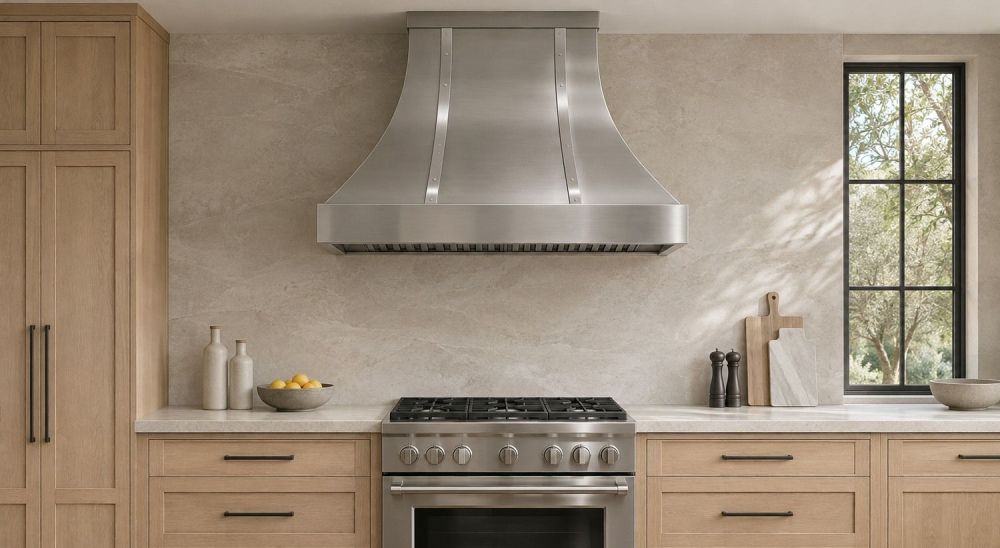
The work associated with Count Rumford belongs to the history of improving heat use and cooking arrangements. Modern conversations about a range hood continue the concern with managing the environment around cooking, although today's systems must be specified for current appliances and buildings.
Cleaner cooking can save lives, but older reporting should not be used as a current numerical estimate of health impacts. Fuel, ventilation, exposure and the setting all matter. A history of cookware is not a substitute for present-day appliance or public-health guidance.
Regional forms remained useful
The wok demonstrates how vessel shape, heat and technique work together. Its sloping sides and different forms support particular cooking methods; the right version depends on the stove and the cook. The term tou appears in discussions of Chinese kitchen knives, which belong to the wider tool kit rather than the pan itself.
Korean dolsot vessels show the continuing role of stone in cooking and serving. A metal pan, stone bowl and clay pot do not behave identically, and their usefulness should be judged against the intended method.
Food preservation developed alongside cookware. The account of how the French government offered a prize helps explain the importance of preserving food for transport and storage. A professional batterie de cuisine also evolved around the demands of feeding people consistently at scale.
Temperature control became increasingly precise
Cooking methods such as sous-vide depend on controlled time and temperature, along with appropriate food handling. They are distinct from the high surface temperatures used for browning. The process linked under the older spelling Malliard reaction is correctly called the Maillard reaction.
Accounts of DIY sous-vide are part of the method's popular history. For actual food preparation, follow reliable current time, temperature and handling guidance rather than treating an improvised setup as automatically safe.
Clay and iron retained their place
Clay cookware is valued for particular forms and cooking traditions. Claims that a pot will reduce the acidity should be considered in the context of the material and evidence. A Moroccan tagine also requires care suited to its construction; not every ceramic vessel can move directly between all heat sources.
Cast iron is often discussed as a bona fide way to add iron to food, but it should not be used as a medical treatment or dietary prescription. People concerned about iron overload need individual clinical advice. A handy chart comparing materials is a starting point for questions, not a substitute for the instructions for the actual vessel.
Seasoning and cleaning requirements vary between bare and enameled iron. Identify the surface before applying a method. Damage to an enamel coating is a different problem from wear in a seasoning layer.
Copper brought responsiveness, with a lining to consider
Copper conducts heat readily, which makes it useful where a cook wants the pan to respond to changes at the burner. The full construction still matters: wall thickness, lining, shape and food load all affect performance. A hot pan and its contents continue transferring heat after removal from the stove.
Concerns about high doses of copper explain why the food-contact surface must be appropriate for its use. Traditional copper pans are often lined with tin; other constructions use stainless steel or specialized linings. Unlined vessels have specific applications and should not be treated as general-purpose pans for every food.
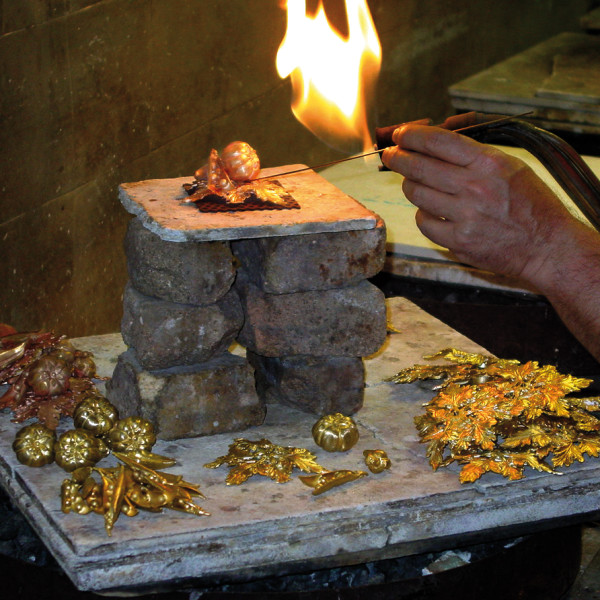
Copper pots can be valued for both performance and appearance, but their care is determined by the particular construction. A decorative copper surface elsewhere in the kitchen does not share all the requirements of a cooking vessel.
Aluminum, stainless steel and composite pans
Aluminum offered another way to make conductive, relatively light cookware. Surfaces may be anodized, coated or incorporated within a layered pan. The visible exterior does not always reveal the metal doing much of the heat distribution.
stainless steel pans often use a conductive layer or base of another metal. A 3-ply pan combines layers, while the broader term cladded describes joined materials. More layers do not automatically mean a better pan; thickness, bonding and the arrangement of the metals matter.
For an induction burner, compatibility depends on a suitable magnetic construction at the base. Do not infer compatibility simply from the words copper or stainless steel. Follow the cooktop and cookware instructions for size and use.
Cast iron skillets and a Dutch oven remain useful for tasks where their construction, shape and heat behavior suit the recipe. Carbon steel provides another option with its own seasoning and care requirements. Modern selection is a matter of matching the vessel to the task, rather than choosing one universal winner.
Nonstick surfaces added another choice
polytetrafluoroethylene, commonly abbreviated PTFE, is one material used in nonstick coatings. The article linked from Healthline discusses safety considerations. Avoid sweeping claims that all coated pans are either dangerous or indestructible.
Use the temperature limits, utensils and cleaning methods specified for the particular product. Do not overheat an empty pan. Replace or stop using damaged cookware according to its manufacturer's guidance rather than assuming every worn surface can be repaired at home.
Understanding heat helps explain the materials
The Ideal Pot offers a technical way to think about vessel design. The three ways to transfer heat are conduction, convection and radiation. They can operate together during cooking; the Second Law of Thermodynamics helps frame the direction of heat transfer, but it does not identify the best pan for every recipe.
Convection ovens move heated air within an oven. That differs from heat passing through a pan base on a burner. Comparing the pros and cons of materials is most useful when the cooking method and complete pan construction are also specified.
Handles, repair and the survival of craft
Handles must suit the weight of the filled vessel, the heat source and the way it is lifted. Materials such as Bakelite became part of cookware design, but temperature suitability is product-specific. A suggested DIY grip should not replace a properly specified handle or approved repair.
Copper's long history includes changes in how it came to become widely used. Writing by Jane Louise Kandur describes aspects of that craft tradition. Instructions to make your own copper pots are interesting evidence of the making process, but producing a food-safe vessel requires more than achieving the right shape.
Construction details such as dovetailing can help explain older vessels. If a lining may be silver rather than tin, do not rely on appearance alone or casually spot test it with chemicals. Have a qualified specialist identify the material and advise on suitability and restoration.
What the history means for a kitchen today
Designs such as Dansk Kobenstyle show how a useful vessel can also become a recognizable object. The lasting lesson is to select tools for the food, heat source and routine, then care for them according to their construction.
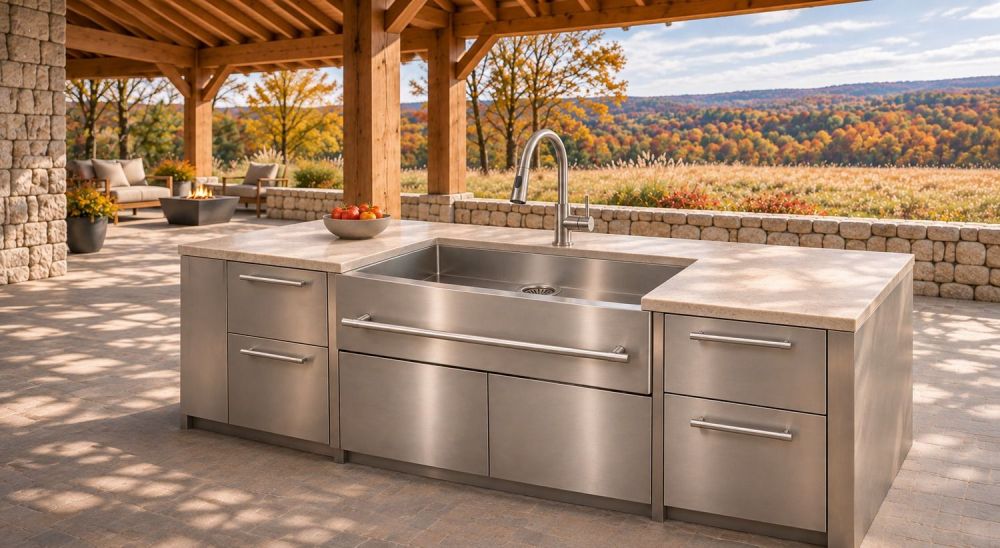
The same attention to function and material can guide architectural choices such as copper farmhouse sinks and custom range hoods, though these fixtures have different requirements from cookware. the history of cookware

 By submitting, you agree to our Privacy Policy & Terms