

Clean copper pans according to their interior lining and exterior finish. For routine care, let the pan cool, wash by hand with a compatible mild detergent and soft sponge, rinse, and dry thoroughly. Polishing the copper exterior is a separate task; it should not damage the cooking surface or remove a coating the manufacturer intended to keep.
Before reaching for lemon, salt or vinegar, identify the pan. Tin-lined copper, stainless-lined copper, unlined specialty cookware and copper-colored nonstick pans are different products. Their care instructions are not interchangeable.
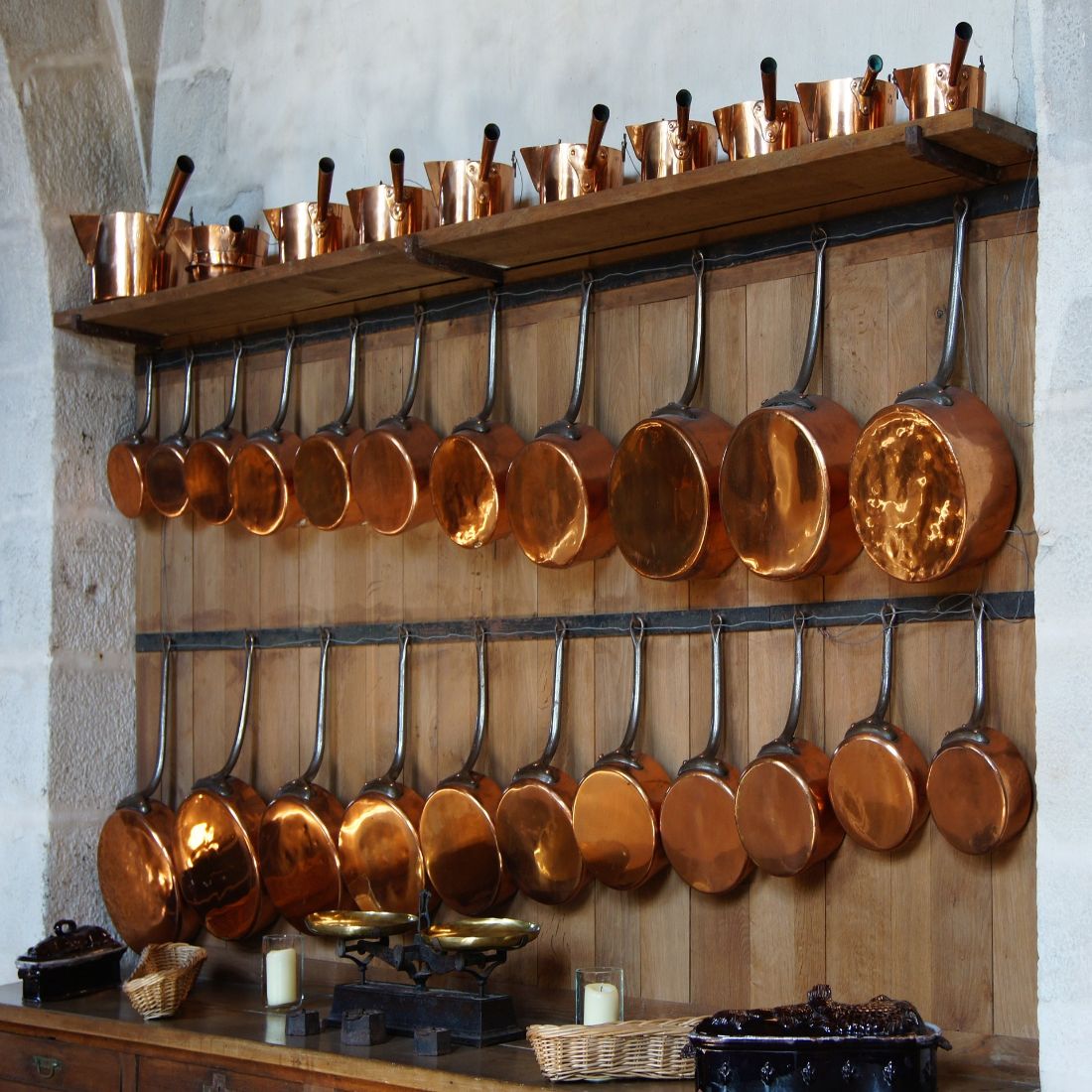
What Are the Benefits of Copper Cookware?
Copper conducts heat readily, which can make a properly designed pan responsive to changes at the stove. The complete construction still matters: thickness, lining, base, handle and heat-source compatibility influence the result. Copper’s presence alone does not make every pan cook identically.
Health claims need a different standard. Unlined or unsuitable cookware can put your health at risk, especially when the food and contact conditions encourage metal transfer. The German Federal Institute for Risk Assessment’s copper guidance explains that copper release from uncoated utensils depends on factors including acidity, temperature and contact time.
An earlier CleanLink reference and the hospital case it reported concern copper touch surfaces in healthcare. They do not establish that copper pans prevent infection, sanitize food or provide a dietary benefit. Choose cookware for documented food-contact suitability and cooking performance.
Identify the Pan Before Cleaning
Tin-lined copper: protect the relatively soft lining from abrasion and follow the maker’s heat limits and repair guidance.
Stainless-lined copper: use a method compatible with both the stainless interior and the copper exterior. An interior cleaner may be unsuitable for the outside.
Unlined specialty copper: use only for its intended food preparation and follow the maker’s limitations. Do not assume it is appropriate for general cooking or storage.
Copper-colored nonstick: identify the actual coating and base material. The color does not establish that the pan is made from copper or should be polished like bare metal.
How to Clean Copper Pots and Pans
1. Let the Pan Cool
Allow the pan to cool before washing. Avoid a sudden temperature change or handling hot metal during cleaning. Check the maker’s instructions for the pan, lid and handle rather than applying one rule to every construction.
2. Remove Food Gently
Use an approved soft sponge or cloth with a compatible detergent. For stuck-on food, follow the lining’s recommended soaking or loosening method. Do not attack the surface with steel wool, a knife or an abrasive pad.
3. Wash the Interior and Exterior Appropriately
The food-contact lining and copper exterior may need different products. Keep exterior polish away from the interior unless the product and pan instructions explicitly permit that use. Clean around rivets and handles without damaging joints or leaving residue.
4. Rinse and Dry
Remove detergent and cleaning residue as directed, then dry the pan with a soft cloth. Moisture left on the exterior can contribute to marks. Drying also gives you an opportunity to inspect the lining and handle before the next use.
5. Polish Only When Appropriate
Tarnish on the outside is different from food soil on the inside. If you want a brighter exterior, use a polish or method approved for that specific surface. A lacquered decorative pan or another coated exterior may not be suitable for ordinary copper polish.
6. Store Without Abrasion
Avoid metal-on-metal rubbing when stacking pans. Use a suitable separator and keep the cookware dry. If hanging pans, use a secure support rated for their weight and leave room to lift them without striking nearby pieces.
What About Vinegar-and-Salt Cleaning Videos?
A popular demonstration covered by The Huffington Post used salt and vinegar to brighten copper. Vinegar offers a wide variety of household uses, but a visible result on one pan does not establish a universal cleaning method. Acid can remove surface products, while salt can add abrasion or leave residues.
Treat the demonstration as an example of changing exposed copper, not proof that soap is inadequate or that the method belongs on every lining and coating. The instructions supplied with the actual pan should determine whether any such exterior treatment is permitted.
The original article also referenced The Kitchn. When comparing online methods, first ask whether the author is cleaning bare copper, a coated exterior or the food-contact interior. Those distinctions matter more than a promise of speed.
Which Household Cleaning Methods Are Suitable?
Lemon and Salt
Lemon juice is acidic, and salt particles can be abrasive. The mixture may brighten exposed copper while also changing a desired surface. Do not use it as a default on a lined interior, coated exterior or unknown antique pan.
Baking Soda
Baking soda is sometimes proposed for food residue, but its suitability depends on the surface and method. A paste can be abrasive. Use the pan maker’s guidance rather than assuming a kitchen ingredient is harmless to every lining.
Ketchup
Ketchup contains acidic ingredients and can alter exposed copper. It is not a controlled replacement for an approved care product, and residue must not be left in seams or around fittings. A polished appearance does not prove the pan has been cleaned appropriately for food use.
Beer
The suggestion reported by Men's Health is another household cleaning claim, not a cookware specification. There is no need to improvise with beer when the manufacturer provides a suitable routine. Match the method to the pan rather than collecting unrelated cleaning tricks.
Cleaning, Polishing and Repair Are Different Jobs
Cleaning removes food and ordinary soil. It should leave the intended surface intact.
Polishing changes the exterior appearance by removing tarnish or surface material. It may be optional and may be unsuitable for a coating.
Repair addresses a worn lining, loose handle or other defect. Exterior shine cannot establish that the pan is safe and ready to cook with.
What to Look for in Copper Cookware
Inspect the cooking surface, handle attachment, base and overall condition. Ask about the lining material and the intended heat source. Induction compatibility, for example, depends on the actual construction rather than the presence of copper alone.
Thickness affects weight and thermal behavior, but it is not the only quality measure. The article’s how to keep copper pots clean should not be treated as a universal buying threshold. Compare documented construction and intended use for the specific pan.
Hammered and smooth exteriors create different reflections and character. Neither finish alone proves a superior lining or cooking result. Choose the texture you want, then evaluate the functional details separately.
Best Practices for Cooking With Copper
Follow the maker’s heat limits and avoid overheating an empty pan. Use utensils compatible with the lining. Adjust cooking technique to the pan’s responsiveness rather than assuming it behaves like every other metal pan you own.
The FDA Food Code’s copper-use limitations, section 4-101.14, address copper contact with acidic foods in a retail food-safety context. They reinforce why an exposed copper surface should not be treated as suitable for every ingredient. Home cookware should be used according to its intended food-contact design and instructions.
Older references to cooking with copper and nonstick copper cover different product types. Verify current availability and construction before relying on a category name. “Nonstick copper” can describe a coating or marketing term rather than a traditional copper pan.
Do Copper Pans Need Seasoning?
There is no universal seasoning procedure for copper cookware. Tin, stainless steel and nonstick interiors have different requirements. Do not apply a high-heat oil treatment simply because it is appropriate for another material such as cast iron.
Repairing Copper Pans
A worn tin lining may be suitable for professional retinning after assessment. Other linings and bonded constructions can require different repair or replacement decisions. Stop using a pan with a damaged food-contact surface until its condition and suitability are clear.
Instructions to do it yourself involve metalworking processes and should not replace a qualified repair assessment. A fixed number of years or a simple spot-size rule cannot determine the condition of every pan. The material, wear pattern and intended use all matter.
Copper Cookware in Context
Copper has a long history in vessels and kitchen equipment. CopperSmith explores many household uses of copper.In cookware, its appeal combines the visible metal with the behavior of the whole pan.
The claim Copper is generally viewed as superior reflects a comparison that needs a particular task and construction. Stainless steel, cast iron, aluminum and lined copper each have different characteristics. Copper can also involve a higher purchase price, more weight and a learning curve for heat control; those tradeoffs should be considered alongside its responsiveness.
Further reading on cooking with copper can help develop technique, provided the advice matches your pan. Start with the pieces you actually use: a saucepan, sauté pan or stockpot should earn its place through the cooking task rather than the desire for a complete matching set.
Bringing Copper Into the Kitchen Design
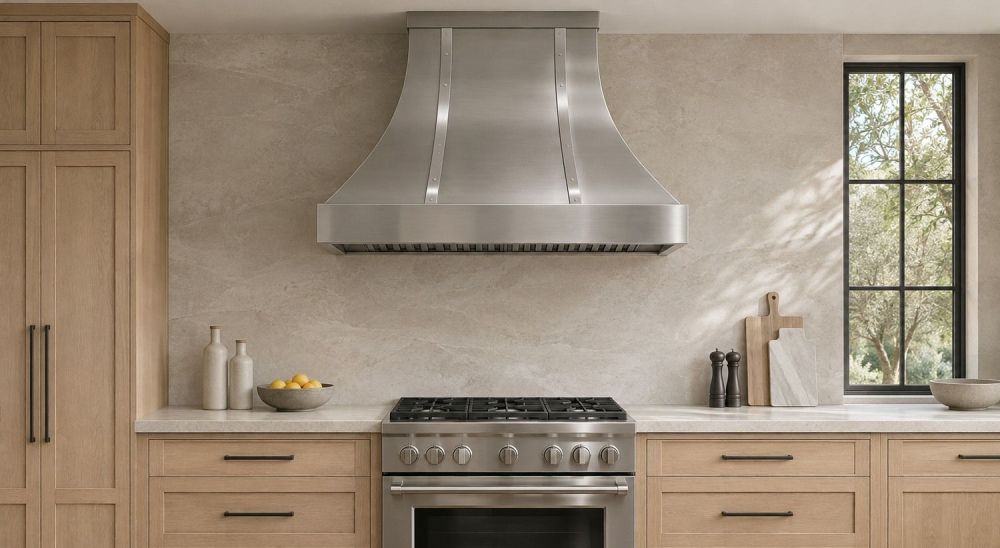
Displayed cookware can connect with a larger metal detail in the room. Keep a practical distance from heat, moisture and circulation paths, and use a secure rack. A few well-placed pieces can leave the cabinetry and stone visible around them.
Explore kitchen project photographs and customer reviews for broader design context. Compare copper sink designs, copper tables and custom range hoods if the project extends beyond cookware. These fixtures have their own care and installation requirements.
Design professionals can review the trade program, while customer experiences provide another perspective on project decisions. Start your project to discuss the architectural metalwork that will shape the room.
Frequently Asked Questions
Can Copper Pans Go in the Dishwasher?
Use the maker’s instructions. Hand washing is the appropriate starting point for traditional lined copper cookware; dishwasher heat and detergents may affect its surfaces or components.
Must the Exterior Be Bright Before Every Use?
No. Exterior tarnish is different from food residue or damage to the lining. Inspect and clean the cooking surface, and polish the outside only when appropriate for the finish.
Can Exterior Polish Repair a Worn Lining?
No. A worn food-contact lining needs assessment and, where suitable, professional repair. Making the outside shine does not restore the interior.
Originally published October 3, 2016. Updated October 31, 2026.


 By submitting, you agree to our Privacy Policy & Terms

