

Copper design becomes more convincing when the metal has a clear role in the room. A hood can establish the kitchen’s center, a sink can connect cabinetry and counter, and a bath can define a quieter retreat. Choose the form and finish around the whole space rather than adding copper wherever a small surface is available.
In the Kitchen
Start with the piece that most influences the kitchen elevation. A broad hood, a visible sink apron, and a sheet-metal backsplash each occupy a different part of the view. Giving one of them priority makes the surrounding decisions easier to organize.
Explore the inspiration galleryLet One Form Lead
A copper-toned hood can bring warmth to light cabinetry or create contrast with a darker wall. Consider its height, width, canopy depth, and relationship to the range before selecting straps or rivets. A simple profile can carry a strong finish without competing with heavily patterned stone.
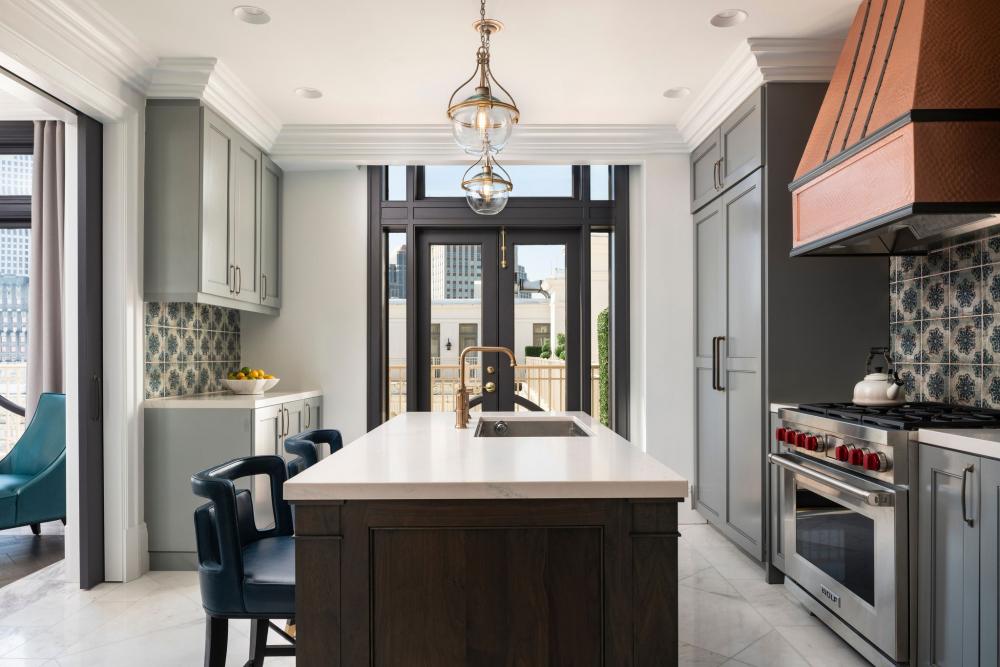
Sinks offer another place for copper to become part of daily use. Review the bowl, apron, and faucet as a working arrangement. Choose the finish with its expected changes in mind, and keep the approved cleaner available from the start.
Mix Metals with a Clear Relationship
Copper does not need to match the faucet, cabinet hardware, and lighting exactly. Repeat one tone in a small detail or let the main copper piece contrast with cooler metal nearby. The aim is a readable relationship between the surfaces, not a count of how many metals appear.
A brushed or darker surface can sit quietly beside timber and textured tile. A brighter finish may attract more attention and reveal reflections more clearly. Compare the actual samples together; photographs flatten differences in light and texture.
Treat a Backsplash as a Working Surface
A metal backsplash can connect a hood with the counter below. Confirm the substrate, joints, cleaning needs, and suitability near the selected appliance. Decorative sheeting does not replace an approved heat or fire-clearance detail.
The original reference to a ductless range cooker points to a related explanation of recirculating ventilation. A ductless arrangement filters and returns air to the room; the wall finish around it does not change that operating principle. Select ventilation independently of the copper color scheme.
Explore copper range hoods Explore finishesIn the Bathroom
A basin can define the vanity, while a freestanding bath gives metal a larger presence. Compare the amount of visible copper with the flooring, wall surfaces, and natural light. A darker tub exterior beneath a window creates a different balance from a small bright basin set into a dark vanity.

Choose fixtures for their intended use and finish system. A metal-clad exterior and a solid-metal bathing surface are different constructions, and a copper-colored faucet may use a different base material. The finished room can still be coherent when those specifications differ, provided the visible relationships are deliberate.
More Ways to Use Copper in the Home
Copper Pipe
Exposed pipe can contribute to an industrial or traditional setting, and pipe-shaped forms also appear in furniture and lighting. For a functional water, gas, or electrical installation, have the appropriate professional specify the whole assembly. A decorative idea does not establish that an improvised joint or fitting is suitable for the task.
Wall Coverings
Metal sheet can make a focused wall surface rather than covering every plane in the room. Establish the edge treatment, joints, substrate, and cleaning conditions before selecting a finish. Keep the surrounding palette simple enough that the metal has a clear purpose.
Kitchen Details
When a sink is the primary copper element, choose the right size sink for your cabinet. Keep the apron’s shape and projection in the cabinet elevation so the piece looks intentional from across the room as well as from above.

Bathroom Details
A few coordinated metal relationships can be more effective than making every component copper. Consider the sink or tub first, then choose hardware and lighting that support it. Texture, scale, and spacing can connect pieces whose finishes are not identical.
Decorative Lighting
A metal shade can shape the light as well as introduce color. Choose a complete fixture suitable for its location, especially near water. A copper surface is a material choice; electrical listing and installation are separate requirements.
Choose Character That Can Develop Over Time
Getty’s explanation of natural and applied patinas helps distinguish gradual surface change from an intentionally developed finish. For a home, the practical question is whether you want a living surface that varies or a specified coating with its own care requirements.
Copper’s domestic history offers useful inspiration without requiring a period-style room. The Smithsonian’s copper pitcher collection entry shows how the metal has been shaped for household use. A contemporary piece can draw on that material character while using a restrained profile and modern surroundings.
A simple way to edit the room
Choose the lead piece
Decide whether the hood, sink, tub, or another surface should carry the strongest presence.
Define the relationship
Repeat a tone, introduce a contrast, or connect copper with timber, stone, and nearby metal.
Confirm daily use
Resolve the model, mounting, finish changes, cleaning, and any functional requirements.
Browse the range here to compare product families, then choose the pieces that serve the room rather than repeating one material everywhere.
Plan the details for your space
Bring your preferred images and surrounding material samples so the form, finish, and key details can be reviewed together.
Start your projectOriginally published October 23, 2014. Updated October 30, 2026.

 By submitting, you agree to our Privacy Policy & Terms