

A copper bathtub should be chosen as a complete installation: comfortable dimensions, sound construction, a suitable finish and a clear plan for plumbing and support. Its presence in the room matters, but so do the practical details that become part of every bath.
Use CopperSmith’s guide to compare the options, and explore copper bathtubs with your bathroom dimensions and maintenance expectations in hand. A distinctive tub works best when it belongs to the architecture and the way the room is used.
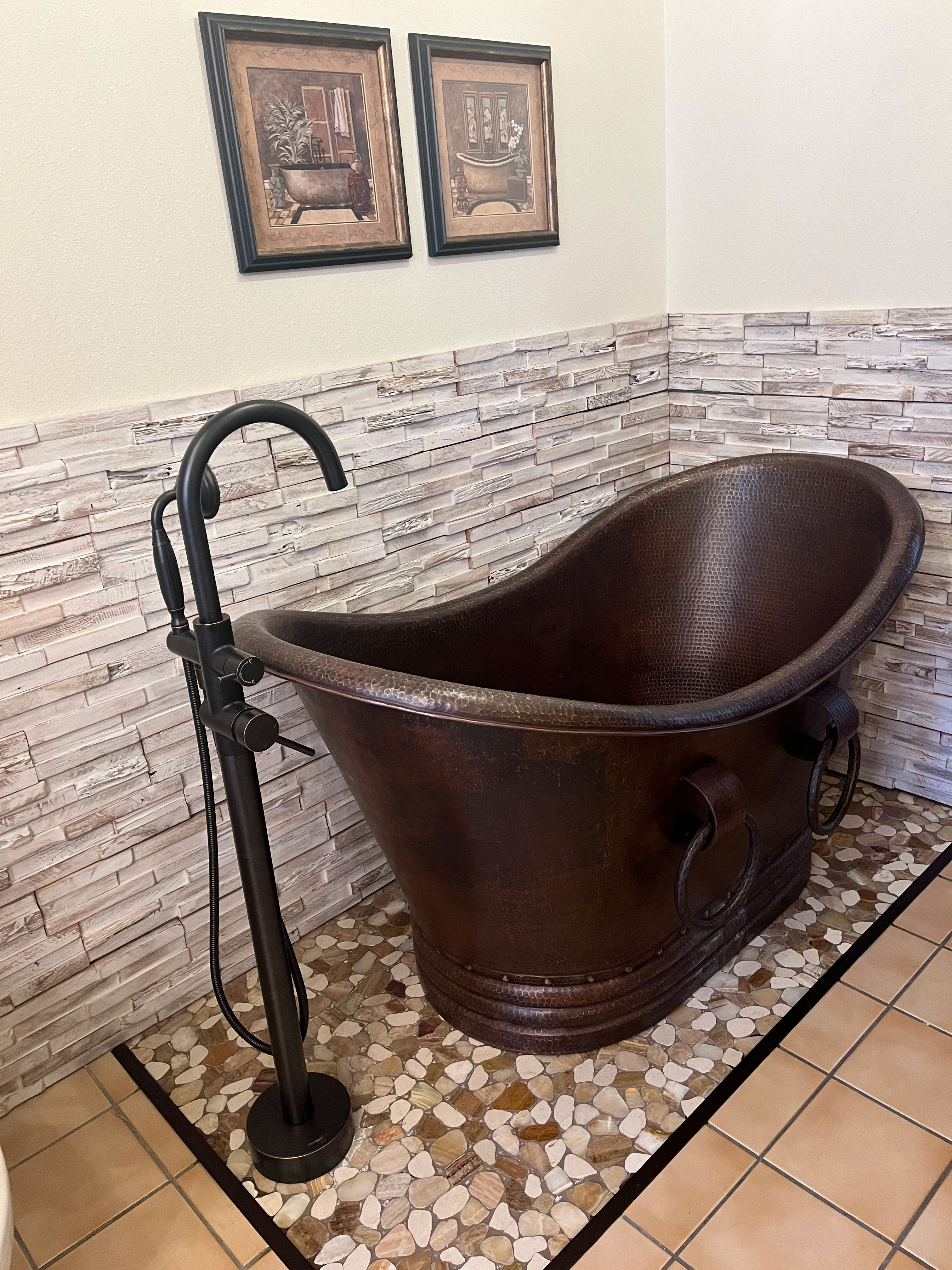
1. Review construction and metal thickness
A quality copper bathtub depends on more than a gauge number. Within a material, gauge describes thickness, but seams, shaping, reinforcement and support also influence the finished tub. Ask for the specified thickness and construction details instead of assuming that the thickest or most expensive option is automatically best.
Metal composition matters, but a higher copper percentage does not universally mean a stronger alloy. Request the manufacturer's material information and intended-use documentation. Review photographs of the rim, base, drain and seams as well as the exterior profile when considering a high quality copper bathtub .
2. Decide how the finish should age
Smooth and hammered surfaces reflect light differently. Color can range from brighter copper tones to deeper brown finishes, depending on the treatment. Confirm whether the interior and exterior have the same finish and care requirements.
A living finish can change with use, water and cleaning. A darker starting color does not make a tub maintenance-free. Use finish samples to compare the metal with tile, flooring and fixtures in the bathroom's light.
3. Balance the shape with comfort
Compare the usable interior length, width and depth, not only the outside dimensions. Rim height, back slope and the position of the drain affect comfort and access. If possible, assess a comparable tub before ordering a custom shape.
Choose a profile that leaves enough room for cleaning and circulation. A freestanding tub needs access around it; placing it tightly against a wall can make daily upkeep harder. Review the inspiration gallery for how different forms sit within a room.
At a glance
Specify the bath as a complete installation
Comfort
Compare usable dimensions, slope and access.
Construction
Review thickness, seams, support and fittings.
Finish
Agree on appearance, change and compatible care.
Installation
Confirm access, floor load, water and drainage.
4. Evaluate the maker and project support
Product and Company Reviews can help you understand other buyers' experiences, but a familiar brand is not a substitute for a complete specification. Ask about drawings, approval stages, delivery arrangements, warranty terms and service responsibilities.
Use customer reviews alongside technical information rather than treating any single review as a guarantee. Clarify who will resolve a question about dimensions, finish or installation before the order is finalized.
5. Check the size and delivery route
Measure doorways, stairs, turns and the final route into the bathroom. Account for packaging and the handling plan. Inside the room, check the relationship to the shower, vanity, doors and any required access clearances.
When choosing a copper bathtub, consider the water volume at the intended fill level and the household's hot-water supply. External size alone does not tell you how the tub will feel or how much water a typical bath will need.
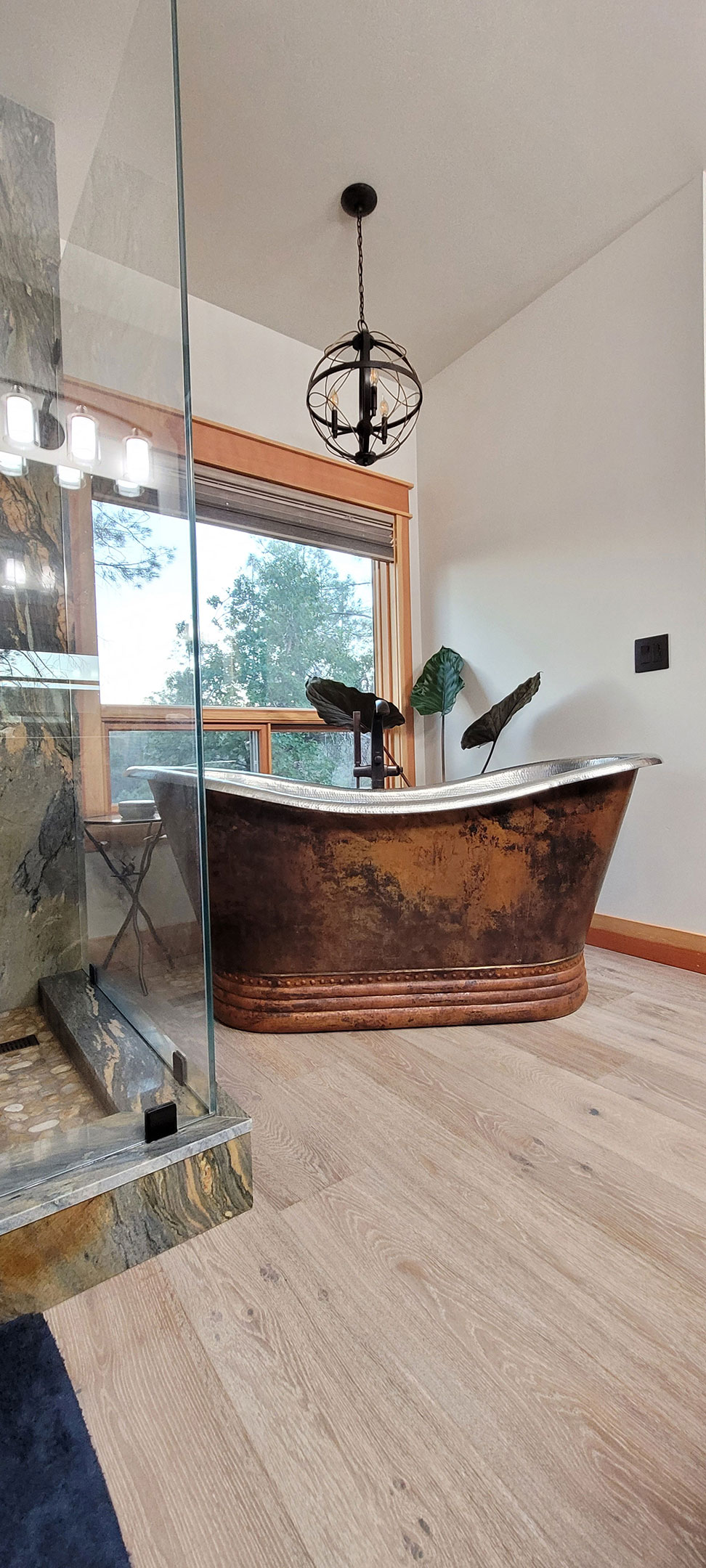
6. Compare the full installed price
Include delivery, moving the tub into place, floor assessment, plumbing, drain parts, filler and any surrounding work. A low product price can be misleading if essential components or installation services are excluded.
Compare like-for-like specifications and current quotes. Ask which custom changes affect cost and lead time, and confirm the final dimensions before related trades complete their work.
7. Coordinate fittings and accessories
The filler needs suitable reach and flow for the tub. Confirm drain and overflow compatibility, access for servicing and the relationship between the fittings and the tub rim. A bath tray or other accessory should fit securely and be appropriate for the finish.
A visual match alone does not establish compatibility. Have the installer review the complete assembly before purchase.
8. Establish a cleaning routine
Follow the instructions for the exact finish. A mild approved cleaner, a soft cloth, rinsing and drying may form the routine, but do not assume that every copper treatment tolerates the same products. Avoid improvised acidic or abrasive cleaning.
9. Understand antimicrobial claims
The phrase “which means bacteria cannot live” overstates the evidence. Research shows that copper can affect microbial survival under defined conditions; it does not mean bacteria cannot ever remain on a tub. Clean the bath normally and do not treat its material as a guarantee of hygiene or disease prevention.
10. Use protective treatments only when approved
Before deciding to wax your copper bathtub, ask whether that product is appropriate for the particular interior or exterior finish. A generic twice-yearly schedule is not a specification for every bath. An unsuitable treatment may change appearance or create an undesirable bathing surface.
Return to finish samples and the approved care documentation when comparing finishes. Discuss bath salts, oils and other products you commonly use before making the final selection.
11. Expect patina rather than permanent color
Copper can tarnish and change color. Indoor use does not guarantee that green deposits can never occur, and an unexpected change should be assessed before attempting to remove it. Do not assume that a polished appearance will remain unchanged without maintenance.
12. Plan support and installation
The floor must support the tub, water and occupants. Ask a qualified professional to assess the actual load and structure rather than relying on a comparison with another material. The tub's base and support details must also follow its installation instructions.
Position the copper tub around plumbing, access and the way the room is used. A drawing or digital model can help visualize the proposal, but it does not replace verified measurements or an installation plan. Start your project with those details ready.
13. Consider service life and material recovery
Copper retains useful properties even when recycled, but recyclability is not the same as a zero-impact product or a guarantee of recycled content. Ask about the actual material source, repair options and local recovery arrangements. Taking care of a well-specified tub can help extend its useful life.
Bring the specification together
Review copper bathtubs alongside the bathroom plan, selected finish and complete installation budget. Record the decisions that the fabricator, plumber and installer need before the order moves forward.
Start your project to discuss the room and requirements. For product questions, Start your project; for help developing the specification, Start your project.


 By submitting, you agree to our Privacy Policy & Terms