

A useful kitchen inspiration image offers more than a color to copy. It shows how light, storage, materials and the cooking area relate to one another. These nine ideas provide a starting point for a kitchen that feels coherent and works comfortably every day.
As you review range hoods, consider the hood as part of that larger room. Its silhouette and finish matter, but so do the equipment inside it, the duct route and its relationship to the cooktop.
At a glance
Turn an inspiration image into a plan
Notice
Identify the light, proportions and material contrast.
Adapt
Use the idea within your actual room dimensions.
Resolve
Coordinate ventilation, storage and circulation.
Edit
Keep the details that support everyday use.
1. Give mixed metals a clear hierarchy
mixing metals can create depth when the finishes are deliberate. Choose a principal metal for the largest element, then decide which smaller details should echo it. The hood, faucet and cabinet hardware do not all need to match, but each should have a reason to be in the palette.
A classic range hood can provide a substantial focal point while the remaining metalwork stays quieter. Compare samples together: undertone, sheen and texture affect the relationship as much as the name of the metal.
2. Layer the lighting around real tasks
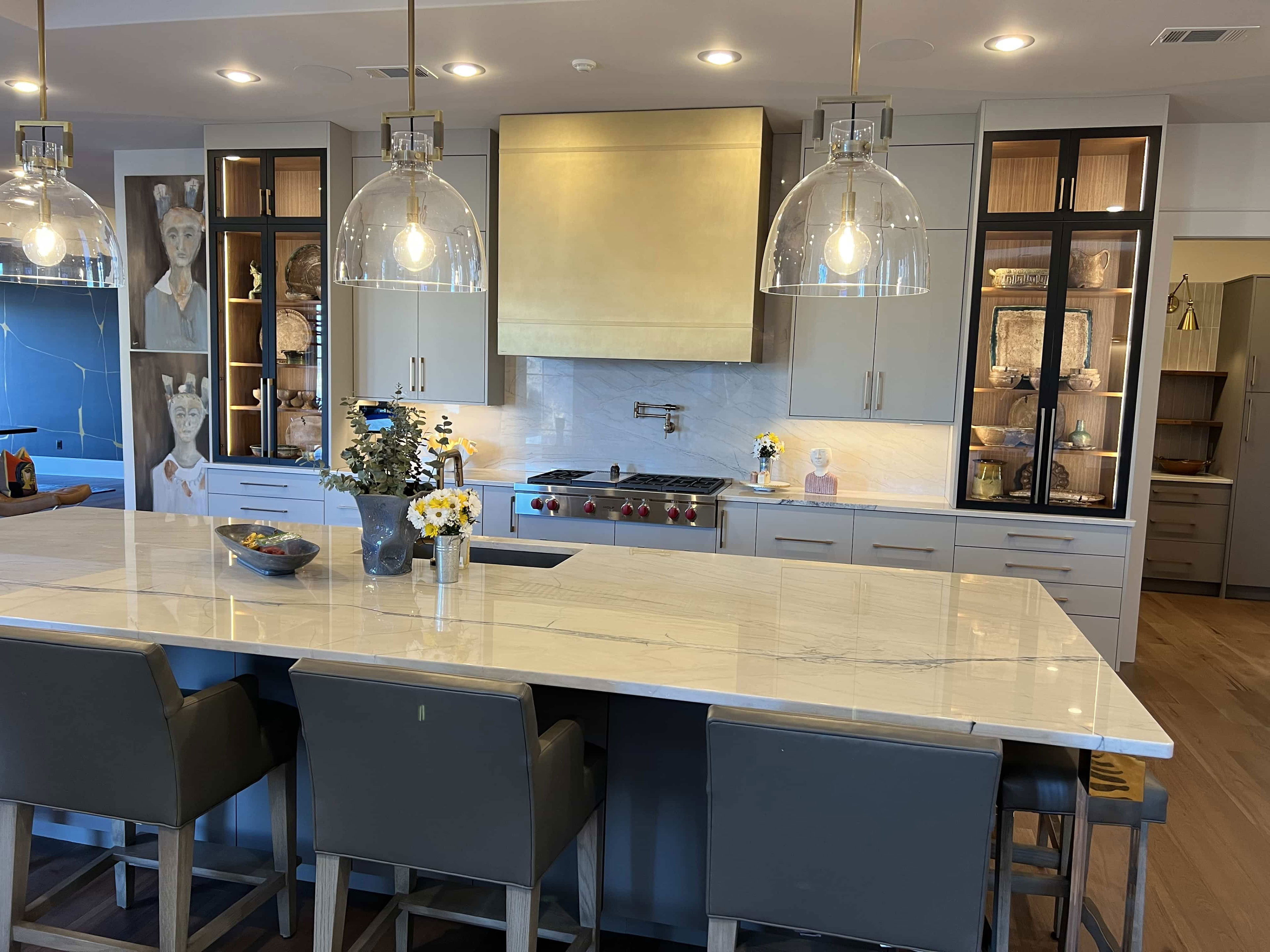
Recessed lighting can contribute general illumination, but it should be coordinated with task lighting at the counters and cooking surface. Position lights with the cabinet plan so that a person working at the counter does not block the only useful light.
A copper range hood will look different under warm lamps and daylight. Review lighting with the finish selection, and obtain finish samples before committing to a large surface. Pendant lights should also be assessed from seated and standing positions so they do not interrupt the views you want to keep.
3. Make an old-world kitchen feel composed
Wood, stone and a shaped hood can suggest an established room without filling it with ornament. A brushed stainless steel range hood is one possibility where you want the form to carry the detail while the metal finish remains restrained.
For an old-world direction, decide which elements deserve emphasis. A stone opening, patterned floor and detailed cabinetry may not all need equal visual weight. Leave some surfaces quiet so the room retains a clear structure.
4. Plan for conversation without blocking the work
Comfort comes from the arrangement as much as the finishes. Place seating where guests can join the conversation without occupying the path between the refrigerator, sink and cooking area. Test chair movement and appliance doors with the plan drawn to scale.
A custom-built range hood can help define the cooking zone within a shared room. Keep the surrounding work surface useful, and resist placing decorative objects where they must be moved for every meal. If the island has seating, check knees, stools and circulation with people actually seated.
5. Carry a consistent palette through an open layout
An open kitchen is seen from more than one room. A brushed stainless steel range hood can connect with nearby appliances, but it should also relate to the furniture and lighting beyond the kitchen. Study the hood from the dining table and the main entrance, not only from the range.
A neutral foundation can make those transitions easier. Neutral does not have to mean uniform: wood grain, a textured backsplash and variations in sheen can give the room character without adding competing colors.
6. Use simple lines to make the room feel open
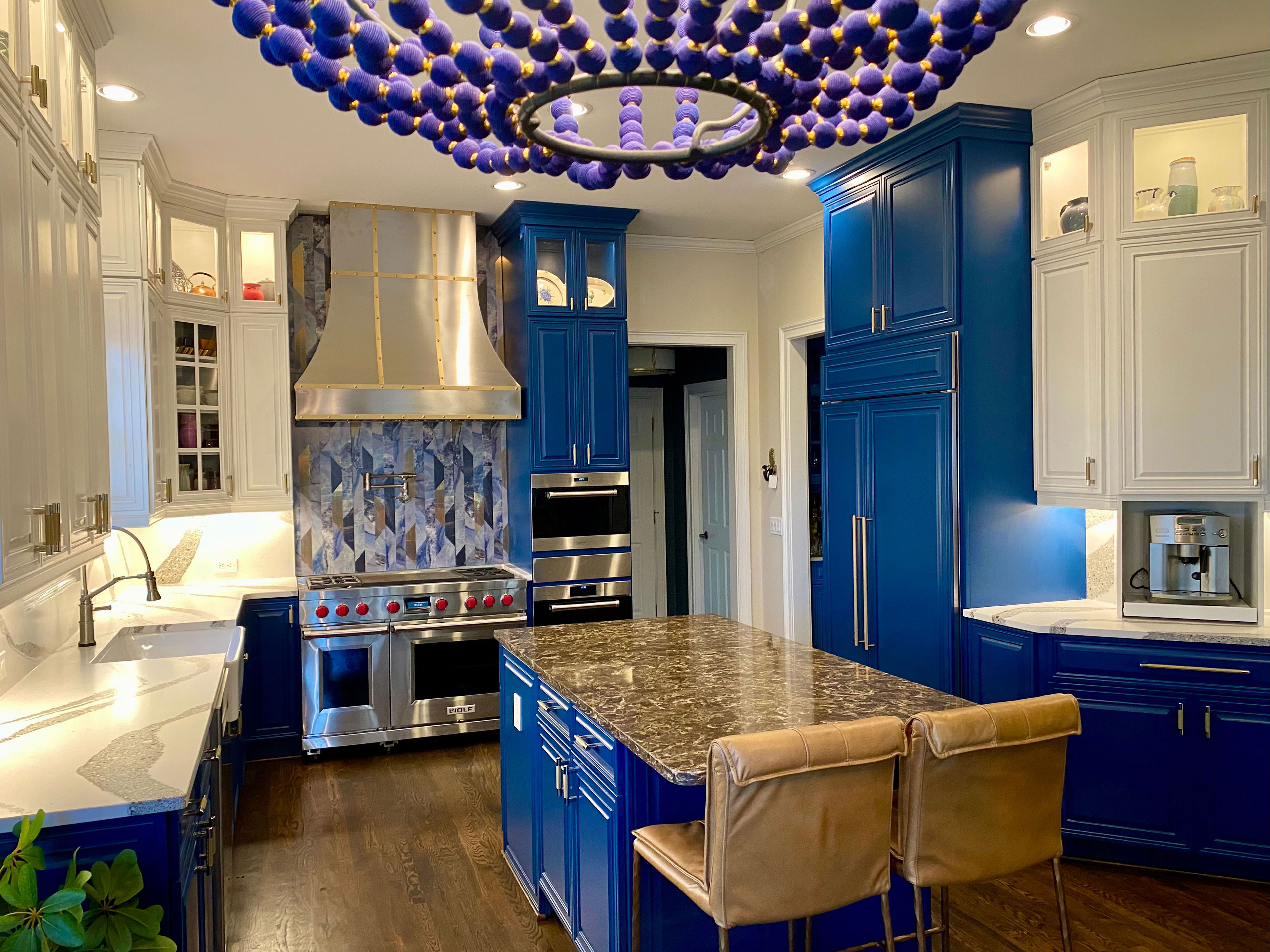
A modern range hood with a clear silhouette can suit cabinetry with minimal detailing. The important relationship is proportion: a narrow-looking hood may feel lost between tall cabinets, while a visually heavy shape may dominate a modest wall.
Take storage seriously before removing upper cabinets for an airy appearance. Open shelves look best when they have a manageable purpose. Reserve closed storage for the things you do not want to arrange each day.
7. Give a white kitchen depth through material
Color, or the lack thereof, is only part of a white kitchen's character. The relationship between painted cabinets, stone, tile and metal creates shadows and subtle differences that prevent the room from feeling flat.
Choose a range hood with the backsplash and adjacent cabinets in view. A brushed stainless steel range hood can introduce a different reflection without changing the overall palette. Test whether the finish looks balanced beside the appliance fronts; photographs cannot reliably communicate every undertone.
8. Combine older character with newer elements
A successful mix of old and new begins with pieces that remain useful. Retained furniture, a familiar table or existing woodwork can give a renovated kitchen continuity. New metalwork should relate to those pieces without imitating them.
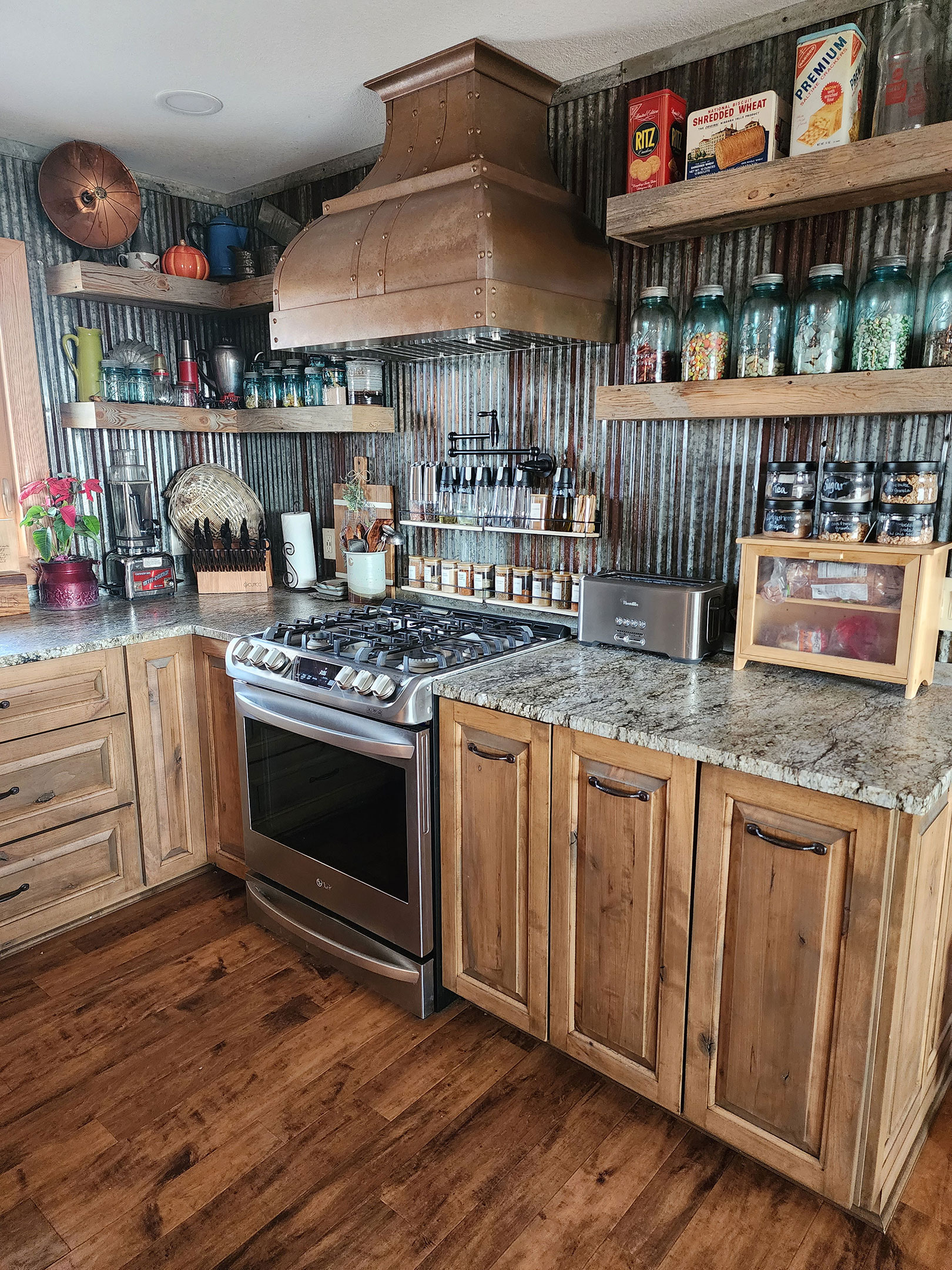
An antique copper light hammered range hood offers one warm, textured direction. Balance an expressive finish with simpler surrounding surfaces, and keep the original piece's scale in mind. A small inherited cabinet and a large new island will influence the room in different ways.
9. Adapt a color combination to your own light
Blue, white and copper can produce a strong contrast, but the exact shades should come from the room. North-facing daylight, evening lamps and nearby wood can all change how the combination reads. Review larger paint samples next to the actual metal sample before ordering.
Use color group trends for ideas rather than a prescription. A palette should support the room you have and the level of contrast you enjoy. A quieter blue-gray and a dark copper finish can create a different mood from bright white and a polished-looking warm metal.
Build a brief from the ideas you keep
Select a few images and write down what you value in each: perhaps the cabinet proportions, the warmth of the metal or the way the island meets the room. Then separate those choices from features that do not suit your layout.
Record appliance models, cabinet dimensions, finish preferences and the ventilation plan before choosing the final hood. customer reviews may help you understand other project experiences, while your drawings and samples establish what your own kitchen needs.
Start your project with your measurements, finish preferences and installation requirements.

 By submitting, you agree to our Privacy Policy & Terms