

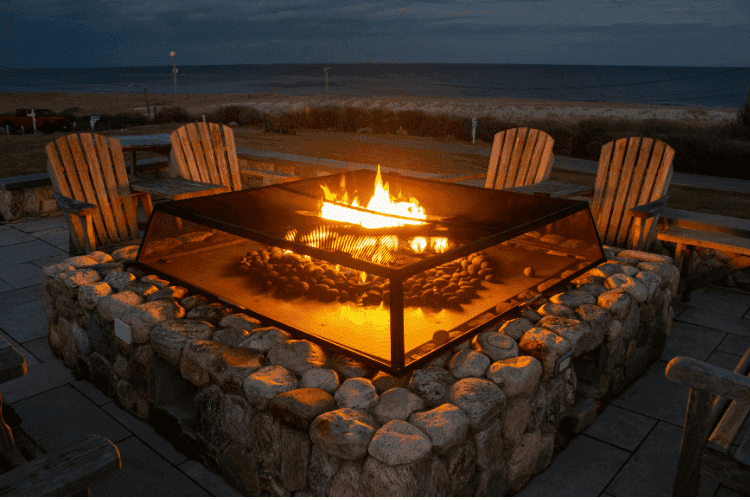
Everyone knows a propane fire pit is one of the best places to get together, watch the sun set, and have amazing conversations with family and friends. You can also use it to create a cosy atmosphere during the winter season, meaning homeowners get to use their outdoor space all year long.
With this allure, propane fire pits have become the centerpiece for cozy moments in modern spaces. Not just that: they are also easy to light, easy to control, and beautifully designed to fit into various types of home designs. However, one concern homeowners might have is the safety of these pieces.
"Are propane fire pits safe?" This is a question that comes up again and again. It's completely normal to ask, especially when dealing with potential fire hazards.
The good news is that propane fire pits are designed with these safety concerns in mind and are therefore built to offer one of the safest and most controllable ways to enjoy an outdoor flame. This guide will help clear your doubts about the safety of propane fire pits, help you learn how they work, compare them to other types, and lastly, show you how to use them confidently and responsibly.
What Is a Propane Fire Pit and How Does It Work?
A propane fire pit is an outdoor heating feature powered by propane rather than wood or charcoal. It uses liquid propane gas stored in a tank to fuel controlled flames. When you turn on the ignition, gas flows through a valve, mixes with air, and ignites. The flame then sits atop fire media like lava rock or fire glass, creating warmth without smoke, embers, and ash you'd get from burning wood.
The way they work makes them ideal for patios, decks, and areas with wood-burning restrictions. You can easily integrate them into modern, contemporary interior designs, particularly if you want to enhance your outdoor living space. They've become a particularly popular choice for modern homes and are versatile, which means they fit into many other designs.
Propane Fuel Basics
If you've ever wondered, "Why Propane?" the major reason is that propane burns cleanly. There is no popping, drifting sparks, and no need to constantly tend the fire. You can also switch a propane fire put off instantly with a turn of the knob. This level of control, along with the added functionality and high heat output, is a reason why designers and homeowners prefer it as a convenient option.
Pros & Cons: Safety Compared to Other Fire Pit Types
Propane fire pits are not the only option you have; there are several others, like wood and natural gas fire pits. However, each fuel type works rather differently, and if you're trying to decide whether a propane pit is the right choice, it helps to see how it stacks up against other options.
Propane Fire Pits
Pros
- Instant ignition and Control: You can turn the flame on or off immediately. If something feels off, there is no need to wait for the embers to die down.
- No sparks or flying embers: Unlike wood fires, propane flames don't throw off hot particles that can land on furniture, docks, or clothing.
- Cleaner burn: Smokeless fire pit operation, without ash or build-up of creosote or debris.
- Predictable flame: The flame height is usually consistent and is also easily adjustable, which generally makes it easier to handle and ensure safety.
Cons
- Restricted for outdoor use: Propane fire pits are only suitable for outdoor use in well-ventilated areas and are never safe in enclosed spaces. Using one indoors is dangerous because propane combustion produces carbon monoxide, which is only safe when it can dissipate in open air freely.
- Fuel dependency: The pits need a fuel source that should be monitored and replaced when low.

Wood Burning Fire Pits
Wood-burning fire pits typically require more care because they are less predictable. They come with flying sparks and embers, hard-to-control fire, and smoke exposure that can release toxic fumes depending on what's burning. In terms of advantages, they offer a traditional atmosphere that many people love. This includes the crackle, scent, and appeal of a real wood fire. You also don't need to manage gas lines for propane canisters, since they use wood as a fuel source.
Natural Gas Fire Pits
Natural gas fire pits have a similar safety profile to propane gas fire pits. They are clean-burning as well, don't have sparks, and the flames are also easily controllable. Some people also like them because they are connected directly to a natural gas line, so the gas supply is always available.
The major disadvantage of natural gas fire pits is their limited flexibility. Because the installation is permanent, it's difficult to move or redesign your outdoor space if needed. Improper installations can also cause safety issues with gas connections.
How Safe are Propane Fire Pits?
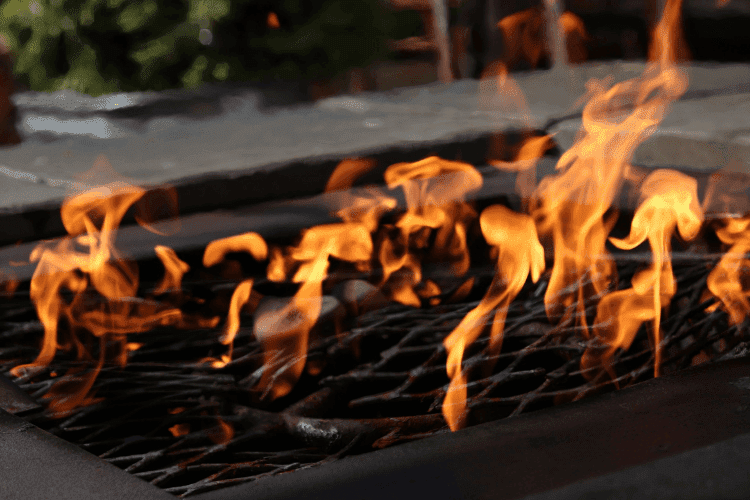
You've heard people throw around words like carbon emission, environmental safety, and much more. When it comes down to it, are propane fire pits safe in a home with family and children? And what are the major misconceptions in terms of safety, environmental impact, and emissions?
Why Propane Fire Pits Offer Family-Friendly Safety
One of the biggest safety advantages of these pieces is control. Unlike wood fires that spark, pop, and move uncontrollably, propane fire tables and fire pits produce a steady, adjustable flame. This predictability, as we have described earlier, makes them easier to manage and better in family settings, especially with kids and pets nearby.
Aside from this, propane tanks also come with built-in safety features, like pressure relief valves and overfill protection devices that vent excess pressure or stop filling to prevent ruptures and explosions. These mechanisms also activate during heat exposure or improper fueling, helping you achieve safer operation.
Common Misconceptions About Safety and Emissions
Many people assume propane fire pits are dangerous for the environment because they use gas as a fossil fuel, but they couldn't be more wrong. In fact, propane burns cleaner than wood burning, and it produces less smoke, soot, and those airborne particles that go on to pollute our environment and affect air quality. This cleaner burn is better for air quality in your homes and outdoor spaces.
Installation and Maintenance
The installation and maintenance might also sound complicated, but it's much easier than you think. Most fire tables and gas fire pits are designed for straightforward setup and require less upkeep than wood-burning fire pits.
As long as hoses and gas connections are checked periodically and the fire pit is used according to manufacturer guidelines and local regulations, you're good to go. For complex setups, professional installation ensures proper airflow and meets safety standards.
How to Use Propane Fire Pits Safely
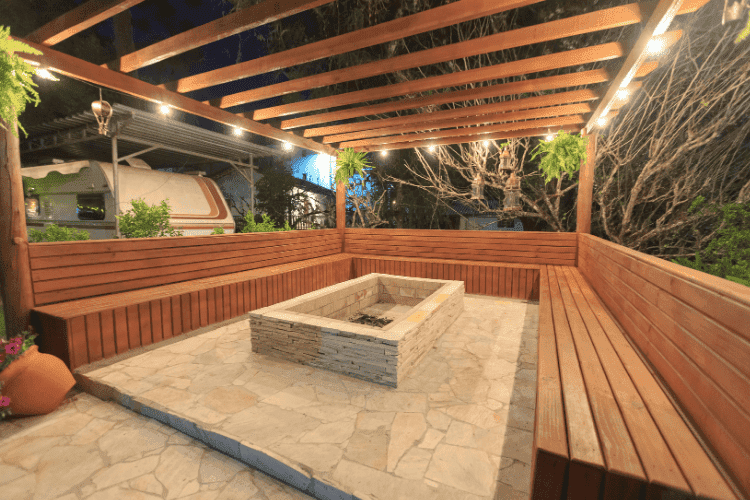
Most propane fire pit accidents happen when people ignore basic safety regulations and precautions. Safety operations start when you light your fire pit. Before lighting, it's important to inspect your hoses and connections for cracks and leaks. The propane tank should also be securely connected, and the area should be free of flammable materials.
Below are some additional fundamentals to keep in mind.
Placement Requirements
Keep your fire pit at least 10-25 feet away from homes, decks, trees, fences, or vents, and other structures at a safe distance. You should also avoid placing it under overhangs, string lights, umbrellas, and power lines or on a covered patio without proper ventilation. The best spot to place it is under an open sky in open air.
Stable and Non-Flammable Base
Set your fire pit on stone, concrete, gravel, or another fire-resistant, non-combustible surface that is safe and secure. If you're using a deck, ensure it is rated for fire pit use and add a fire-resistant pad underneath to protect the surface. Avoid treated wood or flammable materials nearby.
Clearance and Ventilation Requirements
Maintain a minimum of 3 feet around sides and at least 8 feet above. This allows heat to rise safely without damaging any nearby materials and prevents direct contact with open flames.
Supervision and Distance
Never leave your fire pit unattended. If you have younger children in the family, it's important to establish clear "no-go" zones for kids and pets. And when guests come around, always remind them not to lean over or place items near the flame to prevent sparks or accidents.
Weather and Environmental Safety
Environmental conditions can affect your fire pit. Strong gusts can blow flames, and moisture can damage ignition systems if not protected. Always place your fire pit on heat-resistant surfaces and avoid using it during extreme weather conditions.
Have a Fire Extinguisher Nearby
If you don't already have one, get a fire extinguisher nearby in case of emergencies, along with a garden hose nearby for additional safety and to reduce risks. This equipment is essential for putting out a fire pit safely.
What to Look for When Buying a Safe Propane Fire Pit
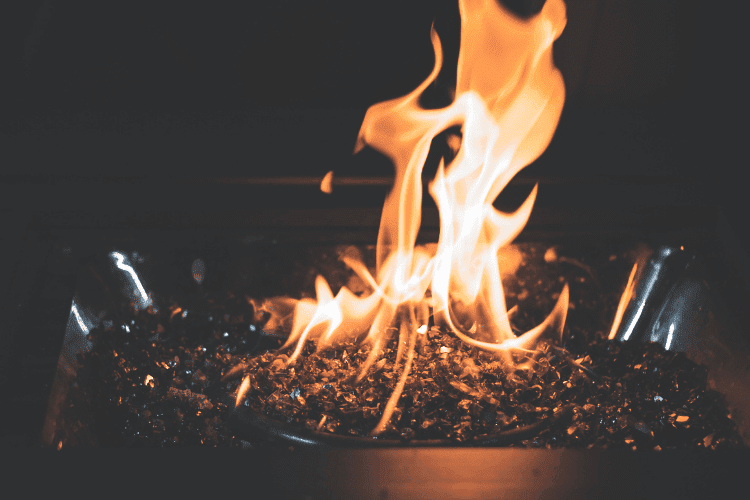
It's very easy to get caught up in the style and how fashionable a pit is, but safety should always come before the aesthetic. You can easily find the safest fire pit that's been safety-tested and still looks great while giving you peace of mind, making it a great investment.
Check the Fire Pit for Safety
The first thing to prioritize with these pieces is checking for recognized safety certifications, such as ANSI (American National Standards Institute). These labels mean the fire pit has been tested to meet established safety regulations and standards for outdoor gas appliances.
Fire Pit Materials
The next thing is to pay attention to the materials. Fire tables and concrete, copper, or brass fire pits (or other heat-resistant materials) tend to hold up better over time and are less likely to crack under high temperatures and heat output. Look for a fire pit with a solid build, as it usually indicates greater stability.
Speaking of stability, make sure the fire pit has a well-balanced, sturdy base. This would help reduce the risk of tipping, especially in windy conditions or in busy outdoor spaces where many people are moving around. At CopperSmith, we handcraft all our fire pits to ensure they’re safe, sturdy, and one-of-a-kind.
Clear Instructions
When researching, it's worth noting that clear setup instructions and a reliable warranty are signs that the manufacturer is a good choice. Prioritize the reliability of the brand, previous customer reviews, and real-world feedback from those who have purchased before. Check local regulations to ensure the gas fire pit meets area requirements, and if you need to store propane tanks, do so according to specific guidelines.
Conclusion
Propane fire pits are safe when you use them correctly and source from trusted manufacturers, like CopperSmith. Your priority shouldn't be fixating on the common misconceptions around how safe they are, but on researching brands with the best options and reliable tips on how to use them correctly for proper installation and safety precautions.
A great place to start would be checking out our collection of propane fire pits and fire pit tables. Our line of products is safe, reliable, energy efficient, and can also be customized to fit your vision as the perfect fire pit solution.


 By submitting, you agree to our Privacy Policy & Terms