
Sustainability is one of the biggest conversations in interior design today, particularly given the significant carbon emissions associated with building projects. Every year, about 50 billion tons of raw materials are extracted for building and construction. The World Green Building Council (WGBC) reported that these projects make up about 39% of global energy-related carbon emissions. Interiors and fit-outs can account for around one-third of the lifetime emissions of these buildings.
Homeowners, interior designers, and other professionals are recognizing that better design and environmentally sustainable materials can reduce the negative impact of these projects on our health. So the first question most people ask before choosing a material for their home design is, "is this sustainable?"
It's pretty standard to ask this question, and if you haven't been doing that, this might be the nudge you need to begin. That said, copper is one of the most popular metals being used in home designs today. It's a versatile, warm metal trend design for kitchens, bathrooms, accents, and so much more.
If you've ever considered using this natural metal in your home design but are wondering if it's actually a sustainable choice, both in terms of longevity and environmentally, then this article is for you. Here, we break down the environmental impact and sustainability of copper, as well as why it's the most sought-after element in modern home designs today.
Sustainability in Interior Design
When we talk about sustainability in home design, the focus is on two major factors. First is the environmental footprint of the materials, and second is the durability of the chosen materials.
A truly sustainable design considers these factors, including how it wears and how it affects the environment at the end of its lifecycle.
Environmental Sustainability
An important consideration in home design is environmental sustainability. A WorldGBC report revealed that buildings and interiors account for roughly 39% of global carbon emissions. At the same time, recent findings indicate the severity of the global environment's critical state.
We've seen rising temperatures, rapid ice melt, rising sea levels, and more extreme weather conditions. There hasn't been a more crucial time to prioritize sustainability, and the intentional choices in your home interior materials matter in achieving this.
A sustainable material, such as copper, supports an eco-friendly approach by minimizing waste and the use of raw materials. Its longevity also helps you prevent frequent replacement.
Longevity and Durability
Interior design trends over the last decade have changed consistently. In the early 2010s, trends leaned into airy, neutral palettes and simplified forms, such as soft grays and whites, paired with streamlined, minimalist Scandinavian-inspired forms. The late 2010s came with comfort and nature taking the center stage, with plush textures, indoor plants, and earthy tones evoking nature's calm. Maximalism rebounded for most of the 2020s, featuring bold patterns, colors, and layered collections that celebrate personal storytelling.
One of the biggest sources of waste in interiors comes from trend-driven design. When styles change quickly, you feel the need to replace materials and fixtures long before they wear out. The past ten years show just how fast ideas cycle through and how easily perfectly usable interiors are left behind in the rush toward the next new look.
Sustainable design helps you ask the right questions about whether your choices will work visually and functionally, even years from now. If you're working with a material that doesn't offer sufficient flexibility, it isn't sustainable. Materials that are versatile enough to adapt to various trends and age gracefully will always be useful for avoiding frequent replacements.
What Makes Copper Appealing in Home Designs?
Despite being used for thousands of years, dating back to the Bronze Age, copper remains one of the most used metals, particularly in home design.
Aesthetic Appeal
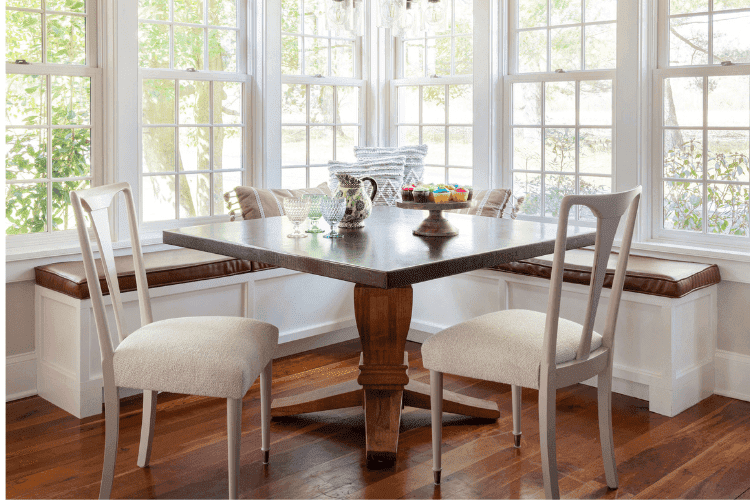
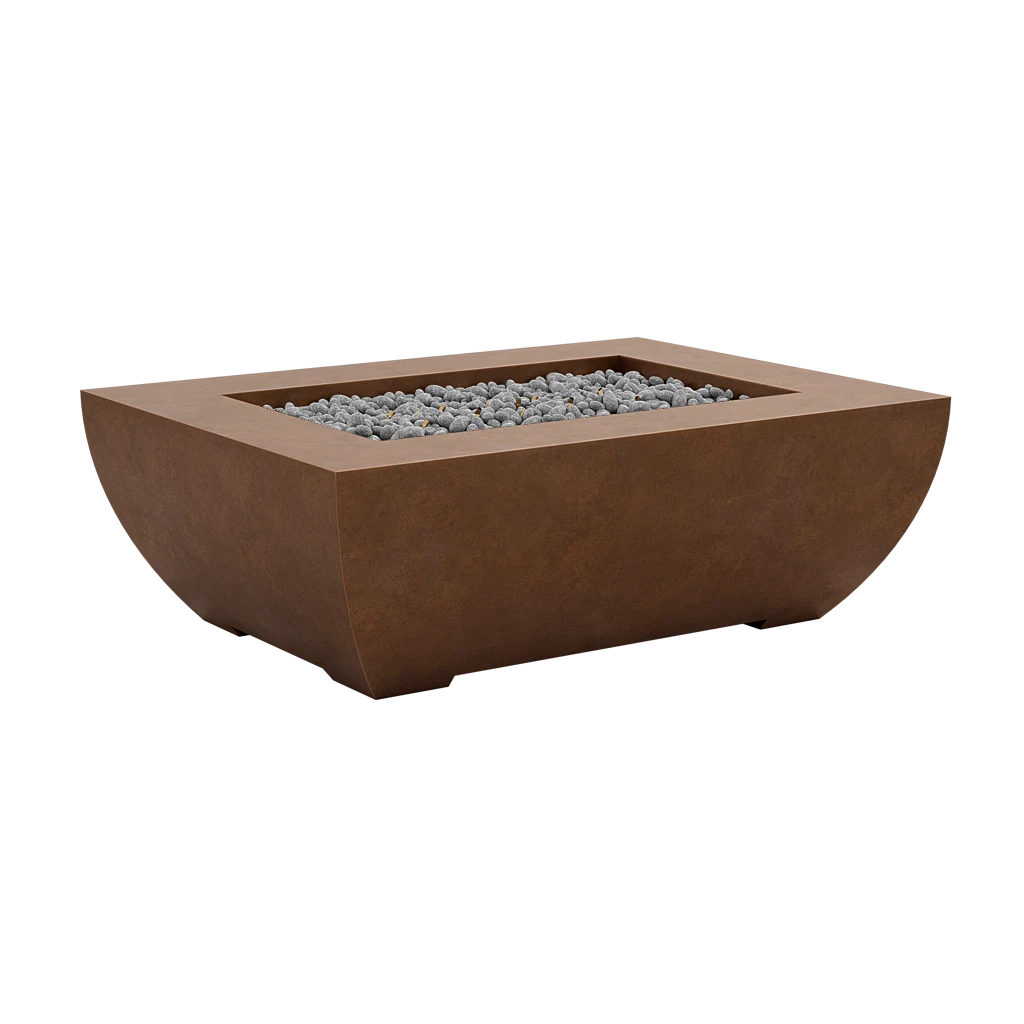
First, it has a natural warmth that many other metals can’t match. This characteristic makes it a highly versatile piece that works in any space. You can picture the beautiful orange warmth of copper metal in your modern kitchen sink as clearly as you can a copper firepit in your patio. Regardless of where it's used, copper adds a unique, luxurious ambience to any space.
Ages Well
The aesthetic appeal isn't the only factor that makes it stand out. Another one of its unique features is how it ages. Many users find that, instead of copper looking worn out over time, it develops a unique patina. This characteristic is rare in other materials, making aged copper a preferred choice for furniture, home roofs, accents, and fixtures.
Conductivity and Heat Resistance
There’s a reason copper is used for wiring in industrial and residential homes. Because of its high conductivity, electricity flows through it easily and less energy is lost along the way, improving energy efficiency and reducing energy losses.
Its thermal conductivity is also a major plus. Copper can handle high temperatures without breaking down or becoming unsafe for use. This makes it a preferred option in plumbing, heating systems, heat exchangers, and kitchens. Generally, it's your best bet if you need a metal piece in a spot where materials are constantly exposed to heat.
Antimicrobial Properties
Most people don't know this bit about copper products—it's naturally antimicrobial, which means copper surfaces have the ability to inhibit the growth of certain bacteria, fungi, and viruses.
When bacteria land on a copper surface, the metal disrupts their structure and prevents them from surviving. This quality makes it a preferred choice for kitchens, bathrooms, and hygienic spaces in the home.
Is Copper a Sustainable Material?
Copper is not a renewable resource, and this is important information to know up front. It's mined from the earth through copper mining, and this process does come with some environmental challenges. However, it's important to recognize that sustainability also depends on how long materials last and how efficiently they are used.
Copper is an extremely durable material, so when it's used in homes, it can last for decades, maybe even centuries in some cases. This kind of lifespan automatically reduces the need for frequent replacement and repairs, significantly lowering its long-term environmental impact.
Copper's Recyclability
Copper's recyclability is another factor that makes it highly sustainable. Recycled copper is equally valuable because it can be processed repeatedly without any loss of quality, performance, and functionality. Copper retains 99.9% of its original purity and physical properties, unlike several other materials that degrade after recycling. In fact, copper can be recycled indefinitely, making it a truly recyclable material that supports a circular economy.
Energy Saving Potentials in Production
It's also worth noting that copper recycling uses 85-90% less energy than mining, refining, or producing new refined copper. The benefit of such numbers is that they automatically reduce greenhouse gas emissions, air pollution, and even water use. Recycled copper accounts for a significant portion of global copper production today, and it plays a key role in sustainable development and the clean energy transition.
Environmental Impact of Copper Mining
It's important to discuss copper's environmental footprint because its production has significant negative impacts on the environment. Mining is a resource-intensive activity that generates significant waste and pollution, potentially affecting land, water, and human health. However, the industry has made some noticeable improvements in recent years.
Many copper producers now use cleaner technologies, improved waste management systems, and more efficient water recycling processes. While mining will never be impact-free, responsible sourcing and better regulations are helping reduce its overall environmental cost and support environmental protection.
Copper's Role in the Energy Transition

Image by TungArt7 on Canva
Beyond home design, copper plays an essential role in renewable energy technologies and the global energy transition. The metal's superior electrical conductivity makes it critical for clean energy infrastructure, including solar panels, wind turbines, and electric vehicles.
As global copper demand grows alongside the clean energy future, recycled materials and copper scrap have become important for meeting this demand sustainably. The International Copper Association reports that copper's contribution to renewable energy sources and advanced technologies continues to expand, supporting the transition away from fossil fuels.
Copper vs. Other Materials in Sustainability
Now that you know where it stands, you're probably wondering how Copper compares to other metals like aluminium, steel, and brass. These are the usual metals that come up as options, especially when you're also weighing them based on cost, installation process, and more.
Copper vs Aluminium
Aluminium is one of the first options that come to mind because it is lightweight and highly recyclable. While aluminum retains a high percentage of its value after recycling, its manufacturing processes are highly energy-intensive.
At the same time, copper still has an edge in durability and lifespan. While some aluminium materials may need replacement in some years, copper is more durable and can be repurposed when you're restructuring.
Copper vs Steel
Stainless steel is durable and sleek, but it typically requires more energy to produce. It offers lower quality retention and lower recyclability efficiency than copper. Copper also has superior thermal conductivity, which means less material is required to achieve the same performance, especially in energy and industrial-related applications.
Copper vs Brass
Copper is a pure metal, while brass is an alloy made primarily of copper and zinc, one of several copper alloys available. For this reason, pure copper can be recycled more cleanly without alloy separation. However, this doesn't mean brass isn't recyclable. The metal can also be reprocessed, but it's often more complex and energy-intensive than copper recycling.
In terms of durability, both materials perform well in homes, and an item like a brass range hood can look just as good as a copper range hood. The major difference is that their longevity may vary slightly, but in most cases, the price tags offset this difference in quality.
How CopperSmith® Makes Sustainable Designs Practical
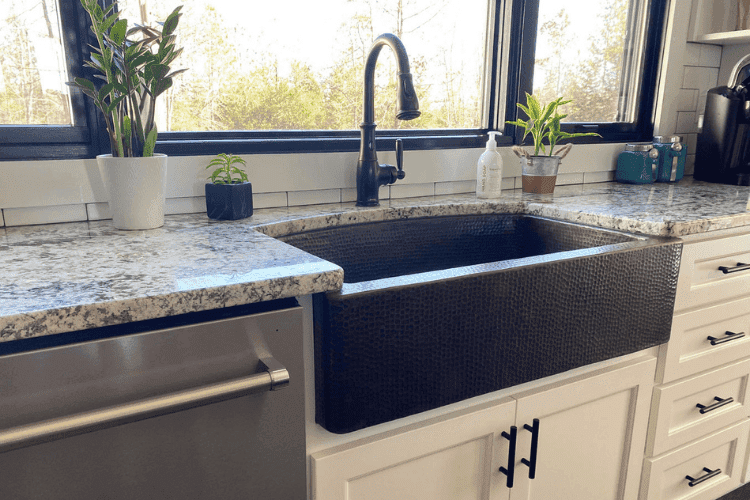
The longevity of a metal isn’t the only thing homeowners look for in a material. Many of them are also concerned about how well it fits into their homes or how it beautifies their space. Many designers produce copper home furniture and accessories, but the best of them focus on how those materials are presented and how functional they are in your home.
CopperSmith® is a brand dedicated to making your sustainable designs as practical as possible, and we do so through:
Premium Customization
Most of the time the designs you see on the market are common, poorly built, and less likely to match the vision you have for your space. Our range of copper furniture, tables, sinks, bathtubs, and more can be customized upon order. This ensures you receive customized materials that align with your vision and also support sustainable design.
Artisan Craftsmanship
CopperSmith®'s pieces are built to endure years of use. The craftsmanship is one-of-a-kind and supports interiors that evolve over the years, rather than temporary items that are easily replaced after a few years of use.
Conclusion
Is copper sustainable? Copper is a relatively sustainable material, and it does much better in longevity compared to the other metals mentioned above. If what you're looking for are fixtures, furniture, and accents that can last a lifetime, it's wise to consider adding copper to your list of options. Many of the other metals we've mentioned in this piece are also great options, depending on your use. Aluminium, steel, and brass make great additions to your home. It all comes down to your priorities and what aligns with your overall vision for your space.
Reference
- United Nations Environment Programme. (2020). Global Resources Outlook 2019.
- World Green Building Council. (n.d.). Embodied carbon.