

Copper is an essential trace nutrient. The body uses small amounts in processes involving energy, iron metabolism, connective tissue and the nervous system. Food is the usual source. A copper sink, bathtub, bracelet or cooking pot should not be treated as a substitute for nutrition or medical care.
Understanding that distinction makes copper easier to evaluate: its nutritional role concerns what the body needs, while its role in the home concerns material, construction, finish and use. More copper is not automatically better, and unnecessary exposure can be harmful.
What Does Copper Do in the Body?
The National Institute of Health describes copper’s role in normal body functions and the amounts needed from the diet. Copper helps enzymes perform their work, including processes involved in energy production and iron handling. It also contributes to the maintenance of connective tissue and nervous-system function.
MedlinePlus’ copper-in-the-diet reference explains that most people obtain enough copper from food and that excessive amounts can be poisonous. The presence of copper in a normal biological process does not prove that taking extra copper improves that process in someone whose intake is already adequate.
Three Different Questions About Copper
Nutrition: is a person getting the amount of copper they need through food or a medically directed plan?
Exposure: could a supplement, water source or food-contact surface provide an excessive or unsuitable amount?
Material performance: what does a particular copper product do under its documented conditions of use?
These questions require different evidence. A nutrient study does not establish a health benefit from a decorative fixture, and a laboratory surface test does not establish a treatment for disease.
Energy and Enzyme Activity
Copper-containing enzymes participate in normal metabolism. That role is sometimes translated into claims that a copper product will boost energy or prevent fatigue. Such a claim needs clinical evidence for the specific intervention; it does not follow simply from copper being necessary for health.
Persistent fatigue can have many causes. It should not be self-diagnosed as copper deficiency or treated by changing cookware, drinking from an unlined copper vessel or taking an unneeded supplement.
Iron, Red Blood Cells and Oxygen
Copper supports processes involved in handling iron and maintaining normal blood function. Deficiency can affect health, but copper is not a general remedy for every form of anemia. Evaluation should identify the cause before treatment is selected.
An older absorption study cited a figure of 30% - 40%. The amount absorbed can vary with intake and other circumstances; that percentage is not a personal dosing rule or a reason to increase consumption.
Brain and Nervous-System Function
Copper is involved in normal nervous-system biology. Research summarized by WashingtonU.Edu explored copper and brain signaling, but a mechanistic finding does not show that extra copper makes a healthy person more intelligent or prevents neurological disease.
Both too little and too much copper can be problematic in specific circumstances. Claims about improved memory, concentration or “brain stimulation” should therefore be evaluated as claims about a particular treatment, not as automatic benefits of the metal.
Copper and Common Health Claims
Cardiovascular Health
A commentary published through Academic.Oup discusses copper in relation to a study of multiple micronutrients and heart failure. It does not isolate a benefit from copper alone or establish that a copper fixture, bracelet or self-selected supplement prevents heart disease. A clinician can put nutritional concerns in the context of the person’s overall health and treatment.
Skin, Hair, Collagen and Wound Healing
Copper has roles in connective tissue and pigmentation. The review linked as NIH study examines copper and skin biology; it does not establish that bathing in a copper tub reverses aging or that touching copper improves collagen throughout the body.
A study of a topical ingredient, a dressing or a laboratory model applies to that tested intervention. It should not be extended to every product that contains copper. Skin changes, hair changes and slow wound healing can have many causes and deserve appropriate assessment.
Bones, Joints and Inflammation
Copper participates in biological processes relevant to bone and connective tissue. The statement that it reduces the risk of osteoclastic resorption comes from a research context and should not be presented as proof that copper jewelry or household products treat arthritis or prevent osteoporosis.
One study compared copper measurements in people with rheumatoid arthritis and healthy controls. An association with inflammation does not show that adding copper treats the condition. A bracelet can be selected for its appearance without assigning it a medical effect.
Blood Sugar and Thyroid Function
Individual nutrient studies do not establish that extra copper regulates blood sugar for everyone or that copper products can replace diabetes treatment. Thyroid conditions also require diagnosis and appropriate care rather than a presumed mineral correction.
Antioxidant Activity and Longevity
Copper is involved in enzymes that help manage normal oxidative processes, but excess copper can also contribute to oxidative stress. That distinction is important: an essential nutrient is not automatically a beneficial antioxidant supplement at any dose. Claims of extended lifespan, rejuvenation or guaranteed disease prevention go beyond what a decorative copper product can establish.
How Much Copper Do You Need?
Needs vary with age and life stage. Use recognized dietary guidance and discuss supplementation with a qualified health professional when there is a specific reason to consider it. The NHS overview of copper and other minerals emphasizes obtaining needed nutrients from a varied diet and avoiding excessive supplement intake.
Do not use water stored in copper as a measured supplement. The amount transferred can depend on the vessel, acidity, contact time and other conditions. There is no reliable household rule that leaving water in a copper container for a few hours produces the right dose for everyone.
Foods That Supply Copper
Copper occurs in foods such as shellfish, organ meats, nuts, seeds, whole grains and legumes. Cocoa products can also contribute. A varied diet offers a more practical starting point than choosing a single “copper-rich” food as a treatment.
Dietary suitability still depends on the person. Allergies, medical conditions and prescribed dietary restrictions can change the appropriate choices. A food’s copper content is one characteristic within the whole diet.
Copper and Zinc
Minerals interact. High zinc intake can interfere with copper status, which is one reason not to combine supplements casually. Review supplements, including high-dose products, with the professional managing your care rather than trying to balance them by guesswork.
Deficiency, Excess and Medical Conditions
Copper deficiency is not something to diagnose from a single symptom. Risk can depend on health conditions, absorption and other factors. Testing and treatment should be selected for the individual rather than inferred from tiredness, hair color or a general feeling of poor health.
Excess copper can also be harmful. Wilson disease affects copper handling, while Menkes disease involves a different inherited copper-transport problem. These conditions require specialist care and should not be treated with ordinary consumer advice about copper products.
Copper supplements can interact with several medications. A medication-interaction resource is a starting point for a discussion with a pharmacist or clinician, not a replacement for reviewing the person’s complete treatment plan.
If exposure or poisoning is suspected, seek prompt medical guidance. Do not attempt to correct a suspected excess by adding another supplement or using a home detoxification method.
Copper Cookware, Water Vessels and Everyday Exposure
Cookware should be chosen for its food-contact construction and intended use. A copper exterior may surround a tin or stainless-steel lining. The lining’s condition, the foods being prepared and the maker’s instructions matter more than the exterior color.
Do not use an unlined decorative vessel for acidic food or drinks merely because copper is a nutrient. A worn or damaged food-contact surface needs assessment. Cleaning and polishing the outside cannot restore a damaged interior lining.
The same principle applies to water vessels: neither the appearance of clean water nor the presence of copper proves that the water is microbiologically safe. Copper storage is not a substitute for an appropriate drinking-water treatment system.
What About Copper-Infused Products?
Assess the exact product and the claim being made. Research on a particular dressing, textile, alloy or surface does not automatically apply to jewelry, bedding, clothing or furniture marketed with the same element name.
Look for evidence about the finished product, its intended use and the outcome being promised. A laboratory reduction in microorganisms on a surface is different from a demonstrated reduction in illness among people using it. Coatings, soil, exposure conditions and maintenance can also affect performance.
Copper Fixtures in the Home
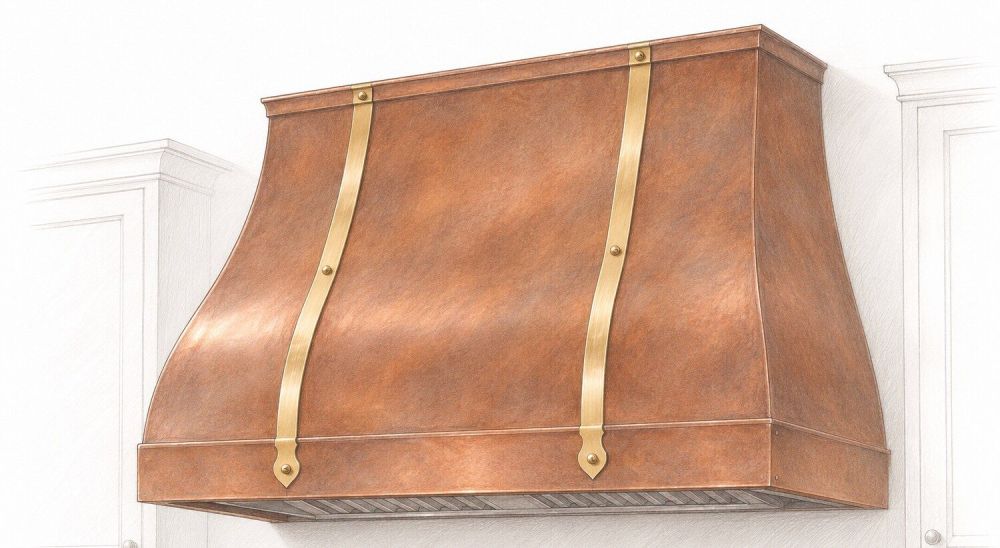
Copper’s place in interiors rests on its material character. A sink’s texture changes the reflection of light; a tub’s rim and profile shape the bathroom; a hood can connect cabinetry and stone through its proportions and finish.
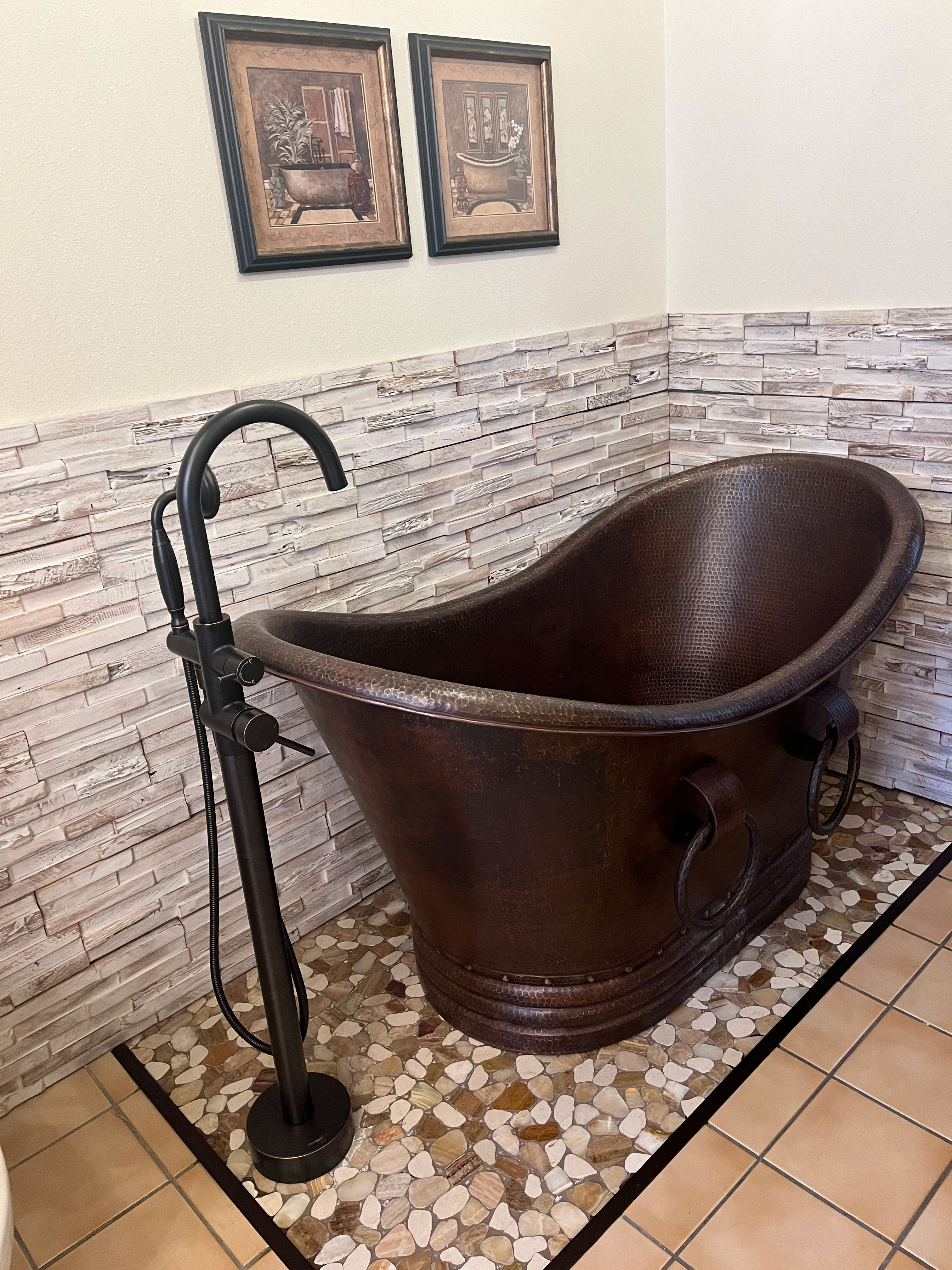
Follow the appropriate method to clean copper. Cleaning remains necessary regardless of the material. Design and bathing-experience benefits can be gained from bathtubs, but those benefits should not be described as nutrient supplementation or treatment for a health condition.
Choose copper range hoods, tubs and sinks for their form, finish and suitability for the project. Start your project to review dimensions, material choices and the details that affect daily use.
Frequently Asked Questions
Does Owning Copper Products Improve Copper Nutrition?
No reliable nutritional benefit should be assumed from owning or touching copper fixtures. Nutrition depends on intake and the body’s handling of the nutrient, not the presence of decorative metal in the room.
Should I Take Copper Supplements for General Wellness?
Do not assume you need them. Most people obtain copper through food. Discuss a specific concern, medical condition or supplement interaction with a qualified health professional before changing intake.
Does Copper Make a Sink Self-Cleaning?
No. Continue routine cleaning and suitable food-safety practices. Material research does not establish that every finished sink sanitizes itself or prevents illness.
Is More Copper Better?
No. Copper is needed in small amounts, and excess can be harmful. The appropriate amount and source depend on recognized dietary guidance and individual circumstances.
Originally published September 24, 2025. Updated October 31, 2026.


 By submitting, you agree to our Privacy Policy & Terms