
Copper is one of those metals that people notice without even trying. In fact, it shows up everywhere - in old coins, in pretty necklaces and jewelry pieces, and even in kitchen sinks. But copper is not just another metal. It changes with time, reacts to the world around it, and can look completely different after a few years than it did on the day it was made.
As much as people love copper, there's always one question: Does copper rust?
Let's unravel this mystery and see just what the research says about what happens to copper, why it's so special, and why people use it in everything from sinks to rooftops.
Does Copper Rust?
The short, simple answer is no. Copper does not rust. Rust only happens to metals that contain iron, like iron alloys and other ferrous metals. Copper has no iron in it, so it can't form iron oxide, which is what rust actually is.
But that doesn't mean a copper surface just sits there and never changes. It does react to the air and environment. It does corrode, but in a very slow, calm way. Instead of falling apart like iron, copper develops a protective film on its surface. Over time, this layer turns into what we call patina - that famous greenish-blue color that makes copper look like it has lived an interesting life.
Rust vs. Corrosion: They're Not the Same Thing
One of the biggest misunderstandings about metals is that all corrosion is rust. It's not. Rust is only one type of corrosion, and it only happens to iron and metal alloys that contain iron. Here's a breakdown:
Rust Happens to Iron and Steel
When iron meets oxygen and moisture, they react and form iron oxide - that reddish, crumbly stuff you've seen on old tools, cars, or metal fences. Oxidation forms rust. And rust doesn't just look bad - it also eats away at the metal surface. It flakes off and exposes a fresh metal surface, and then rust forms again. It's a cycle of further corrosion that keeps going until the metal gets weak or even falls apart.
Copper Corrodes Differently
Copper doesn't create rust because it doesn't have iron. Instead, when a copper surface reacts with oxygen atoms, it forms copper oxide, which is a thin, dark brown layer that sticks to the surface. The cool part is that, unlike iron oxide, this layer doesn't flake off, but rather gradually thickens to protect the copper underneath.
Over time, the corrosion process happens, and copper oxide continues to change and eventually becomes copper carbonate - the greenish patina people love. This is also why people call copper a noble metal, because it ages beautifully instead of falling apart.
The Science of What Happens to Copper
Let's break down just what happens to copper in a way that's easy to follow:
Step 1: Fresh Copper Starts off Bright and Shiny
Think of a brand new penny. It's bright and shiny, right? That's copper at its cleanest.
Step 2: It Slowly Darkens
As oxygen settles onto the copper, it forms a thin layer of copper oxide. This usually makes the copper turn a deep brown color. This stage can take months or years, depending on where the copper lives.
Step 3: It Eventually Turns Green or Blue-Green
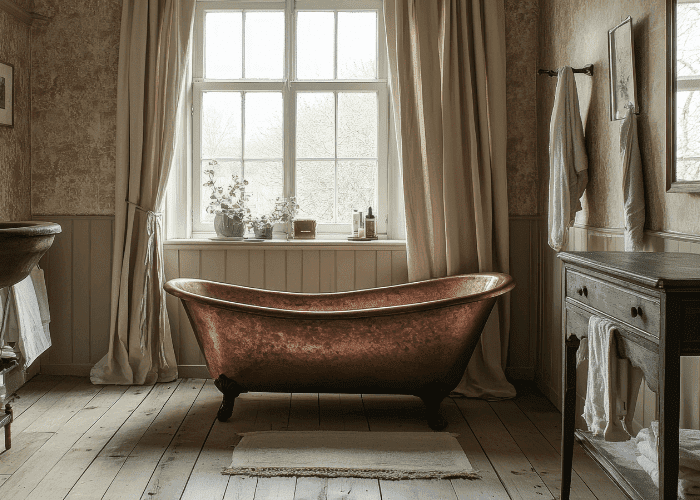
With more time - and a bit of carbon dioxide, moisture, and other natural elements thrown in - copper oxide becomes copper carbonate, better known as patina. This is the lovely green color on old copper roofs, statues, your kitchen sink, or coins.
Step 4: The Patina Protects the Copper Underneath
Patina is not copper's enemy. Unlike rust, patina protects and shields copper. Once copper has a protective film of patina, it becomes more stable, and the metal underneath stays strong for centuries. Think of old underground copper pipes - they don't just give in.
This is why people use copper in places where they need a metal that lasts a long, long time.
Copper in Different Environments (Because Location Matters)
Copper doesn't always behave the same way, and its environment has a big impact on how fast it changes and what colors it turns. Here's what usually happens in different environments:
- In normal, clean air, copper darkens slowly. It can take 20 - 30 years before it develops a full patina.
- Near the ocean, salt speeds things up, so copper near beaches or salty sea air tends to form a new layer or patina much faster. The color is also often brighter and more intense.
- In soil, copper can survive underground for hundreds - and even thousands - of years. Archaeologists regularly dig up copper tools, pipes, and jewelry that are still in really good shape. But certain soils that contain a lot of chlorides or sulfates can make copper corrode faster.
- Strong chemicals and acids like ferric nitrate or sodium thiosulfate speed up the corrosion of copper. This usually only happens in labs and industrial settings.
- Copper alloys like brass (copper and zinc) or bronze (copper and tin) corrode differently. They form colors that range from golden brown to deep red, or even shades of green.
Copper vs Other Metals
Copper really stands apart when you look at how it ages next to other metals. Let's compare:
Copper vs. Iron or Steel
Iron rusts and flakes off, while copper corrodes gracefully, protecting itself. Copper also remains strong while iron eventually weakens.
Copper vs. Aluminium
Aluminium also builds a protective layer, but it doesn't have the charm of copper. It stays silver-grey and never forms the rich colors copper is known for.
Copper vs. Other Metals
Very few metals age in a way that actually makes them prettier. Copper is one of the rare ones that changes color without ever losing strength. Its electrical conductivity also stays reliable even as it ages, which is why copper is used in wiring all around the world.
Emotional Connections to Copper
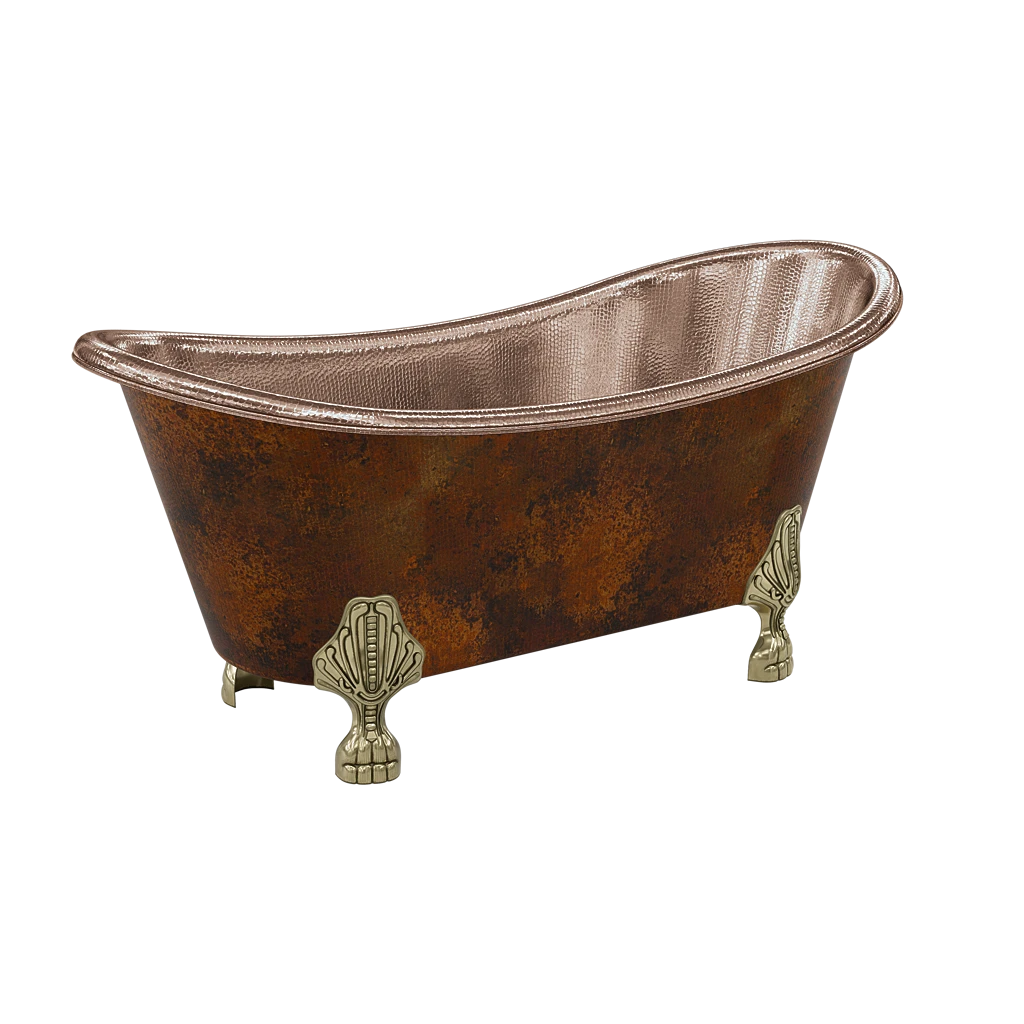
Copper isn't just another material. It has personality, it transforms, and it warms up a room while reflecting light. As it changes, it tells a story. Think of these moments:
- A copper sink glowing in natural light. Every drop of water slowly shapes its patina, making it unique.
- A copper hood in a busy kitchen during the holidays. Yes, it starts shiny, but it slowly deepens into rich tones as the years pass.
- A copper fire pit where the flames dance against the metal of a copper table. Over time, the surface becomes even more interesting.
Copper feels alive, and that's one of the biggest reasons people choose it for their homes.
CopperSmith: Turning Copper Into Functional Art
CopperSmith is one of the companies that truly understands what makes copper so special. We don't just create metal products - we create pieces that bring a bit of warmth and personality to your space.
We also:
- Focus on sustainability
- Offer endless customization
- Provide a concierge-style service
- Handcraft all items
One of the fun things about copper is that it has a life story. It begins shiny and new. Then oxygen molecules land on it and start forming that first thin layer. Slowly, brown tones appear. And eventually, the greens and blues show up and bring out that character and maturity.
Rust screams "decay" while patina whispers "history."
What Homeowners Should Know
If you're planning to use copper in a home or business, there are a few key things to remember:
- Copper doesn't rust
- Copper corrodes, but it's a good kind of corrosion
- Copper ages well
- Copper alloys like brass and bronze behave differently, and colors vary depending on the alloy
- Copper is sustainable and eco-friendly
Copper is one of the very few materials you don't have to worry about falling apart with age, as it actually becomes tougher.
Frequently Asked Questions
Why Does Copper Turn Green?
Copper turns green because it reacts with air, water, and other natural elements. This forms a protective layer called patina. The green color is completely normal and helps protect the copper underneath.
Is Patina Bad for Copper?
Not at all. Patina is good for copper. It works like a shield that keeps the metal strong. Instead of breaking down, copper becomes even more durable as it ages.
Can I Stop Copper From Changing Color?
Yes, you can slow it down by sealing it with a clear coating or wax. But many people love the natural aging process because it gives copper more character.
How Long Does Copper Last?
Copper can last for hundreds of years. Some copper roofs, pipes, and statues, like the Statue of Liberty, have been around for over a thousand years, making copper one of the longest-lasting metals on Earth.
Is Copper Good for Homes and Kitchens?
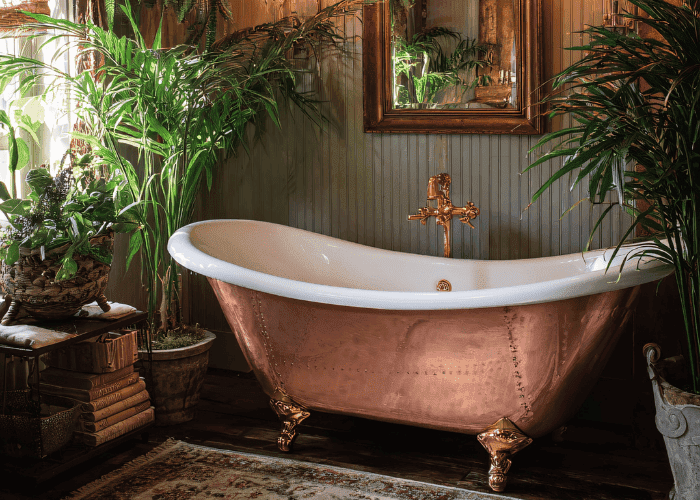
Yes! Copper is strong, beautiful, easy to clean, and only gets better with age. That's why people use copper for sinks, hoods, countertops, bathtubs, in copper wires, and even decor pieces.
Final Thoughts
Copper never rusts. It changes, yes. It forms copper oxide and then patina. But, unlike rust or iron oxide, these layers protect and change the color of the metal rather than destroying it. Choosing copper means choosing sustainability, durability, character, and warmth.
We understand this and create handcrafted copper products, such as sinks, bathtubs, hoods, furniture, and fire pits, that turn everyday spaces into places filled with personality and charm.
Copper is practical, beautiful, and timeless. It also rewards you with more beauty the longer you have it. So no, copper doesn't rust - it transforms. And that transformation is what makes copper one of the most special metals in the world.