

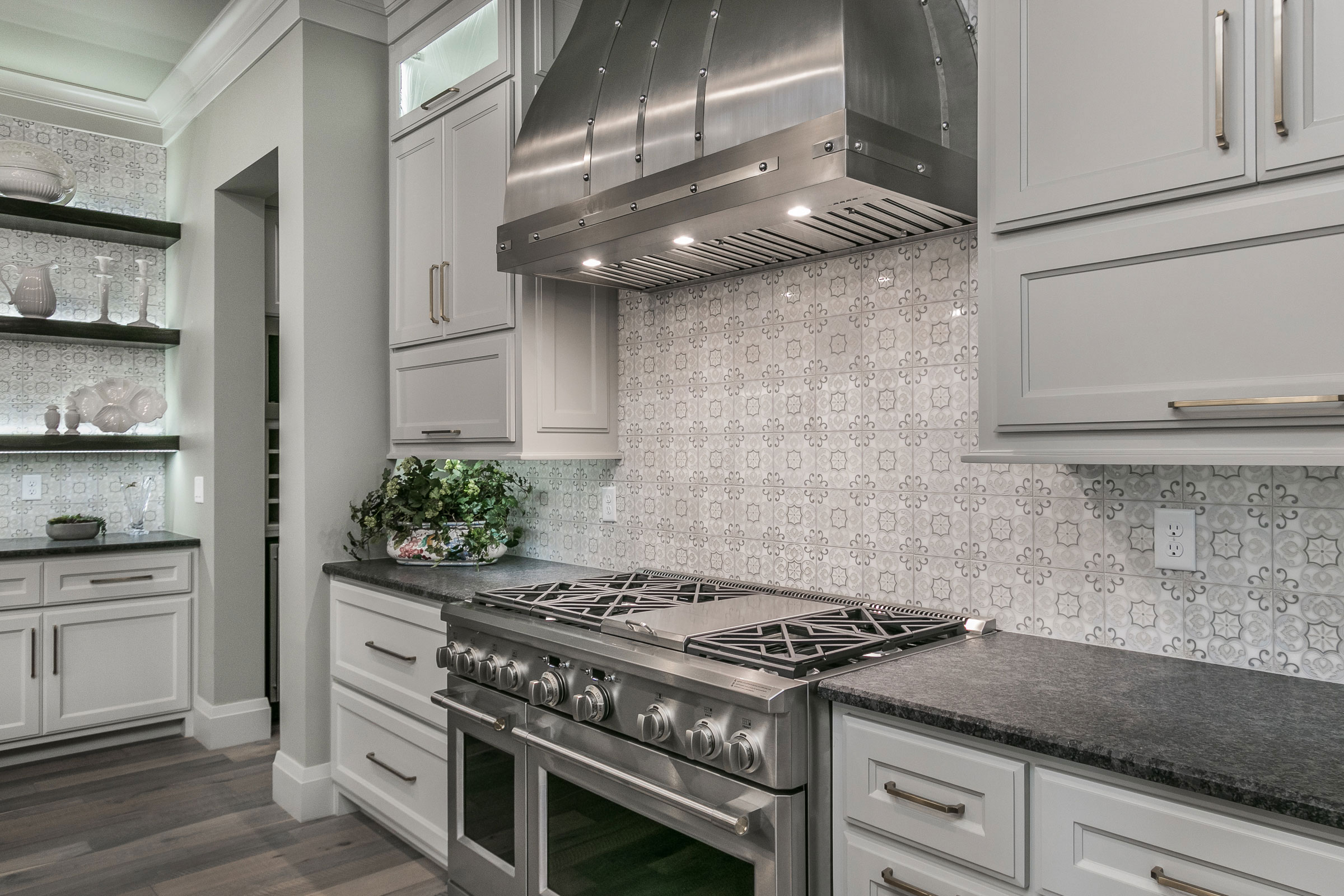
You can replace an over-the-range microwave with a dedicated range hood when the new hood, cooking appliance and installation are compatible. The change can give the cooking wall a stronger architectural presence, but it is more than an appliance swap: ventilation, cabinet space, support, power and the microwave's new location all need a plan.
Choose a range hood around the cooking equipment and the room. A dedicated hood is not automatically better than every microwave exhaust system; compare the actual capture arrangement, operating information and installation requirements.
At a glance
Plan the microwave-to-hood conversion
Measure
Check the opening, appliance and clearances.
Vent
Confirm the air path and compatible equipment.
Prepare
Resolve support, power and finish repairs.
Relocate
Give the microwave its own suitable location.
Decide what the conversion should improve
Write down the problem you want to solve. It may be limited access to the microwave, an awkward cooking-wall composition, noise or an exhaust arrangement that does not suit the appliance. Those are different problems, and they should guide the replacement.
Consider the visible result too. Removing the microwave may reveal unfinished wall, a cabinet gap or an electrical connection that the new hood does not conceal. Include those repairs in the design rather than treating them as finishing touches to improvise later.
Measure the opening and check the appliance instructions
Record the available width, height and front-to-back space, along with the cooking-appliance model and surrounding cabinet details. Obtain the new hood's drawings, insert information and mounting requirements. The existing microwave position does not establish the correct position for another product.
Coordinate the clearance requirements of both the hood and the cooking appliance. Review nearby combustible surfaces, cabinet doors and any shelves. Have the manufacturers or project professional resolve conflicting instructions before ordering.
Confirm how air will leave the cooking area
Determine whether the existing microwave exhausts outdoors or recirculates. If there is a duct, check its size, route, condition and termination against the new equipment. A duct that physically connects is not necessarily an acceptable installation.
The Standard Work Specifications for kitchen range hoods address secure mounting, wiring, service access and outdoor discharge. They also identify air-balance concerns when exhaust affects combustion appliances. Have the installer assess the actual home and applicable requirements.
A recirculating hood needs the approved filters and components for that configuration. It returns air to the room and does not provide the same removal of heat, moisture and gaseous pollutants as outdoor exhaust.
Compare capture, airflow and sound
The opening's relationship to the cooking zones matters alongside airflow. Ask for relevant performance information and consider noise at the settings you expect to use. A high maximum CFM number alone does not describe how the complete installation will perform.
ASTM's capture-efficiency test method distinguishes capture performance from airflow for specified wall-mounted, outdoor-exhaust hoods. Its laboratory scope is not a rating for every product or an installation instruction.
Plan the microwave's new location
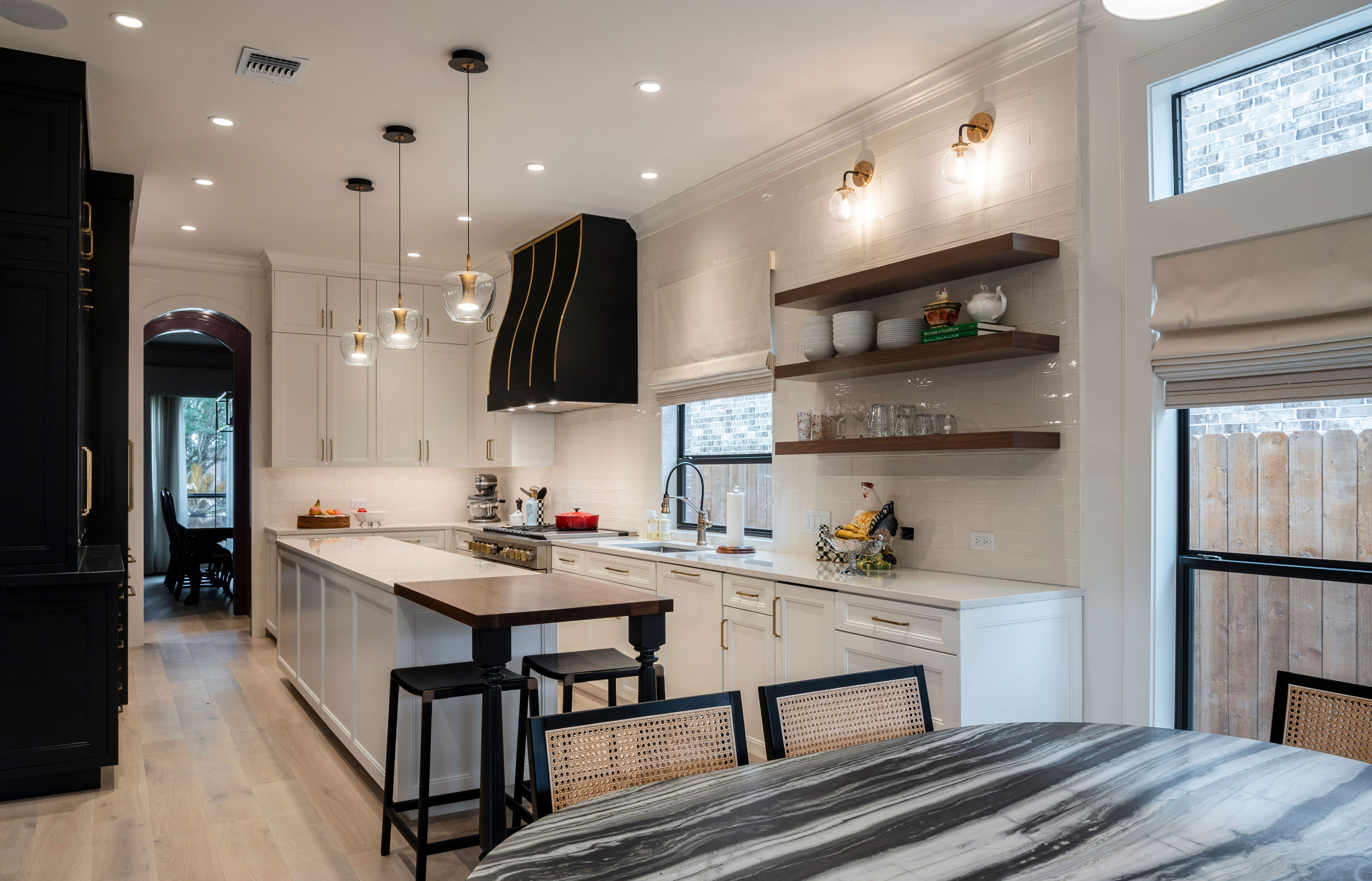
Decide where reheating will happen before removing the current unit. Check the replacement microwave's approved installation type, ventilation clearances, electrical requirements and access. Do not put a countertop unit inside an enclosed cabinet unless that arrangement is expressly supported.
Consider the user's reach and the landing space for hot dishes. A location that frees the cooking wall may use valuable preparation counter or interfere with another appliance door. Test those movements on the plan.
Coordinate removal and installation with qualified trades
Have the existing unit removed according to its instructions, with appropriate support for its weight and safe handling of the power connection. Do not reuse old mounting brackets or fasteners unless the new equipment specifically permits it.
The installer should verify the new support, duct connection and power supply before lifting the hood into place. Electrical alterations and other regulated work need appropriately qualified trades. A nearby receptacle is not proof that the circuit or connection is suitable.
Use the current installation guides for the selected equipment. Agree on responsibility for cabinet modifications, backsplash repairs, permits where required, protection of finishes and removal of packaging.
Complete the handover
Have the installer demonstrate fan speeds, lights and controls, and investigate unexpected vibration or noise. Confirm filter removal, replacement parts and maintenance access. Retain product instructions and required inspection or testing records.
Review range hoods with the measured opening, appliance model and ventilation plan. The best conversion gives both the cooking area and the relocated microwave a practical, considered place in the kitchen.
Start your project with your measurements, finish preferences and installation requirements.


 By submitting, you agree to our Privacy Policy & Terms