

A copper end table should earn its place beside the seat: keep a drink within reach, carry the right lamp, or give a book a home. Its top and base also become part of the room’s proportions. Choose it by purpose, design, and total cost before deciding which copper finish belongs there.
Purpose: Decide What the Table Must Hold
List the objects that will stay on the table and those that need occasional space. A lamp and a glass require a different surface from a small decorative bowl. If the table will serve two seats, test the reach from both rather than placing it where it merely looks symmetrical.
Check cords, sockets, and the route to the table. A lamp cord should not have to cross a walking path. Draw any storage or shelf into the specification instead of assuming a compact piece will include it.
Design: Compare the Top and the Base
A narrow profile can fit into a tight seating arrangement, while a round top changes the relationship to squared upholstery. Judge the edge thickness, visible base, and finish together. A broad base may need more floor space than the tabletop suggests.
For material context, the University of Toledo’s decorative-arts exhibition describes copper and brass within Arts and Crafts interiors. That history can inform a preference for visible metal and simple forms, but it does not dictate how a contemporary room should look.
Choose the Finish in the Room’s Light
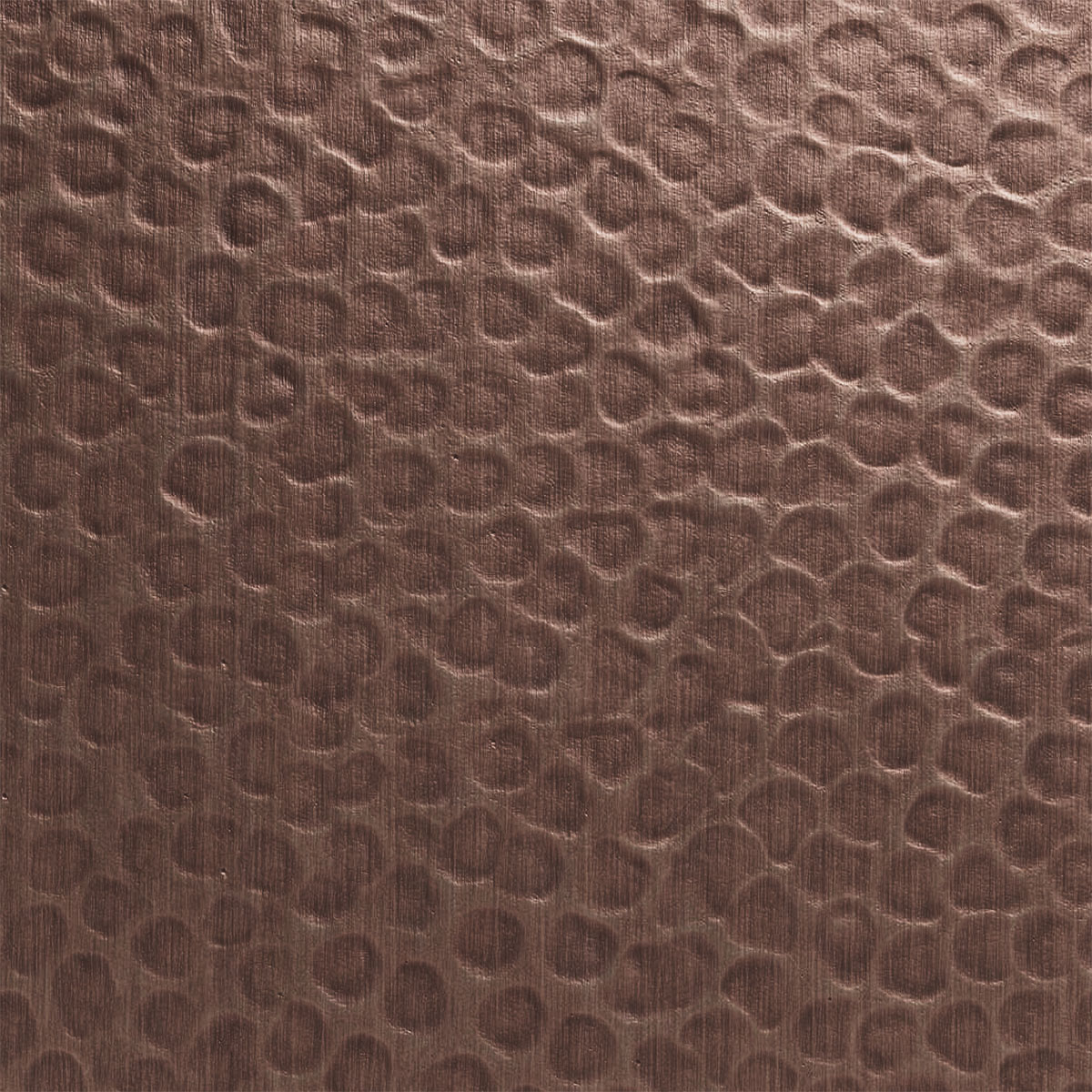
Bright metal can draw attention to the table’s outline; a dark patina can make the top feel quieter against pale upholstery. View finish samples beside the actual fabric and floor. Texture and color are separate decisions, and neither establishes the construction underneath.
Check Height and Stability
Use the adjacent seat and arm as references for height, then try the intended reach. Check that the whole base rests as intended on the floor and that the specified assembly can carry the planned lamp and objects. A table is not a stool or a step unless it is expressly designed for that use.
Cost: Compare the Complete Order
Look at the finished table, delivery, assembly, finish choices, and any work needed to accommodate it. If a listing is for a tabletop only, include the compatible base and attachment method in the comparison. A lower displayed price may describe a different scope.
The Federal Trade Commission’s online-shopping guidance recommends checking product details, total cost, and delivery and return terms. Keep the written dimensions, finish selection, and order record so expectations remain clear.
Measure before you choose
Beside the seat
Finished height, usable top area, and seated reach.
Around the table
Base footprint, circulation, doors, recliners, and cords.
On the order
Complete assembly, finish, load limits, delivery scope, and care method.
Connect the Piece to the Larger Interior
Explore copper table options for the material direction, and compare the current furniture collection for supported forms and configurations. Confirm a suitable height and footprint for an end table rather than assuming a dining configuration can be shortened.
Frequently Asked Questions
Are end tables and side tables different?
The terms often overlap. Use the actual purpose and dimensions to make the choice: a table beside a sofa may need a different height or top area from one beside a lounge chair.
Should two end tables match?
They can, but balance can also come from a shared tone, edge detail, or lamp height. Compare their relationship to the seating rather than buying a pair automatically.
Define the details for your space
Bring the seat dimensions and the objects the table needs to hold so the top, base, and finish can be considered together.
Start your projectOriginally published December 31, 2014. Updated October 30, 2026.


 By submitting, you agree to our Privacy Policy & Terms